


Zoë Coker BSc (Hons) CertGP (EM&S) BVM&S MRCVS is a small-animal veterinary surgeon and the co-founder and CEO of VETbytes, an evidence-based clinical and quality improvement platform launched in partnership with the BSAVA. With a long-standing interest in patient safety and quality improvement, Zoë is passionate about translating complex evidence into clear, practical guidance to help veterinary teams improve efficiency and clinical outcomes.
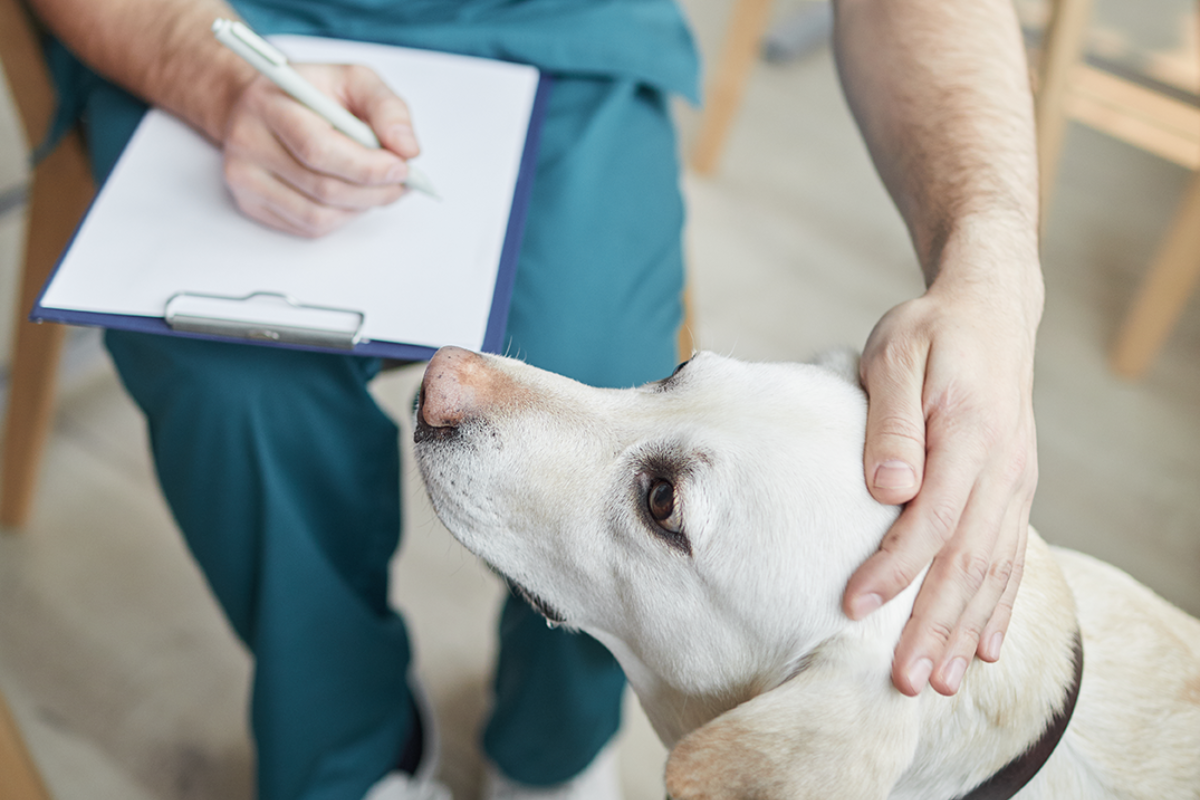
It’s 8pm on a Tuesday when a client calls: their Labrador has just eaten a handful of grapes. They know grapes can be toxic and they’re looking to you for clear guidance. For years, the profession took comfort in being able to give a straightforward, protocol-driven response. With grape toxicity, that meant one standard approach: induce emesis and hospitalise for 48 hours on intravenous fluids. End of discussion.
But the landscape has changed. Gone are the days of unquestioned compliance. Today’s clients are information-savvy, digitally literate and often come armed with their own research. Recent media coverage around overtreatment and cost, much of it triggered by the CMA investigation, has added an extra layer of scepticism. Clients now expect to be part of the decision-making process and crucially they want us to explain and justify why we recommend a particular course of action not just what we want them to do.
This evolution forces us to ask: what if the “right answer” isn’t so black and white anymore? And what if true clinical confidence isn’t found in reciting dogma but in expertly navigating the grey? The debate around managing grape toxicosis is a perfect illustration of this shift. It offers a powerful opportunity to rethink how we communicate and to build deeper trust with our clients through evidence-based contextualised care.
What if true clinical confidence isn’t found in reciting dogma but in expertly navigating the grey?

First steps: triage
In my experience, a common question from clients, particularly owners of dogs who frequently scavenge is: “But it’s only a few grapes… do we really need to come down and pay the out-of-hours charges?”
So… do they? To answer that, we need to look to the evidence.
First, consider decontamination. The data tell us that some dogs can ingest large quantities without consequence, yet the lowest reported dose associated with acute kidney injury (AKI) is remarkably low: just 1 g/kg for grapes (approximately one-fifth of a grape per kg) and 2.8 g/kg for raisins. The VPIS stated in 2023: “Although it is likely that a single grape or piece of dried fruit is unlikely to be a risk, dogs ingesting more than this should ideally receive an emetic and a repeat dose of activated charcoal.”
Because this threshold is so low, gastric decontamination remains a crucial step for almost any confirmed ingestion.
What we might say to the client is:
“What we know from the data is that there’s no established safe dose. Even though not every dog develops kidney problems, the smallest amount ever reported to cause acute kidney injury is extremely low and we still don’t understand which dogs will be affected or why. It therefore makes sense to try to remove as many of the grapes as possible while they’re still in the stomach. The safest option at this stage is to bring your dog in so we can make them vomit.”
What next?
The traditional risk-averse approach errs on the side of caution. Although acute kidney injury develops in only a small proportion of cases, when it does occur, the consequences can be severe, with reported mortality rates of 45–50%. Faced with this low-probability high-impact risk, proponents argue that routine hospitalisation with 48 hours of intravenous fluids is a reasonable safeguard for any dog with a known ingestion.
More recent thinking challenges this protocol-driven approach and instead focuses on proportional individualised care grounded in the principle of primum non nocere – first, do no harm. Hospitalising every dog to protect the small minority who may develop kidney injury risks overtreating the many, particularly when fluid therapy itself carries potential complications and its ability to prevent acute kidney injury in this scenario remains unproven. The emphasis instead shifts to clinical precision: prompt decontamination, baseline assessment and escalation only if clinical signs or biochemical changes are present or emerge.
Confidence here lies in the data. The most recent studies show that both the prevalence of acute kidney injury (1.1 – 6.7%) and overall mortality (<1%) are low in dogs with confirmed grape or raisin ingestion, especially when prompt decontamination is performed and the dog remains clinically well in the first 24–48 hours. The case for a less aggressive approach is further bolstered by a large retrospective UK study of 606 dogs with confirmed ingestion of Vitis vinifera fruit. Nearly half of these dogs were treated as outpatients, only one dog developed mild AKI (IRIS Grade I) and all dogs survived to discharge supporting the safety of outpatient care in carefully selected low-risk cases.
This isn’t about choosing one approach over the other. It’s about knowing when each applies. Understanding this allows us to move beyond rigid rules and offer considered responsive care.
What else matters?
Clinical risk matters but so do the wider considerations of care. Can the owner monitor their dog closely? Will they be able to return for follow-up appointments and testing if required? What is their comfort level with home care versus hospitalisation? The most appropriate treatment plan is the one that balances medical risk with practical reality.
What we might say to the client
For the unwell dog, the conversation is usually clear:
“Your dog is already showing signs that concern us, such as vomiting, inappetence or changes on their blood tests. That tells us the kidneys may already be under stress. At this stage, the safest option is to admit them so we can provide supportive care with intravenous fluids, closely monitor urine output and blood values and respond quickly if things deteriorate.”
For the asymptomatic patient, the discussion is different and more nuanced:
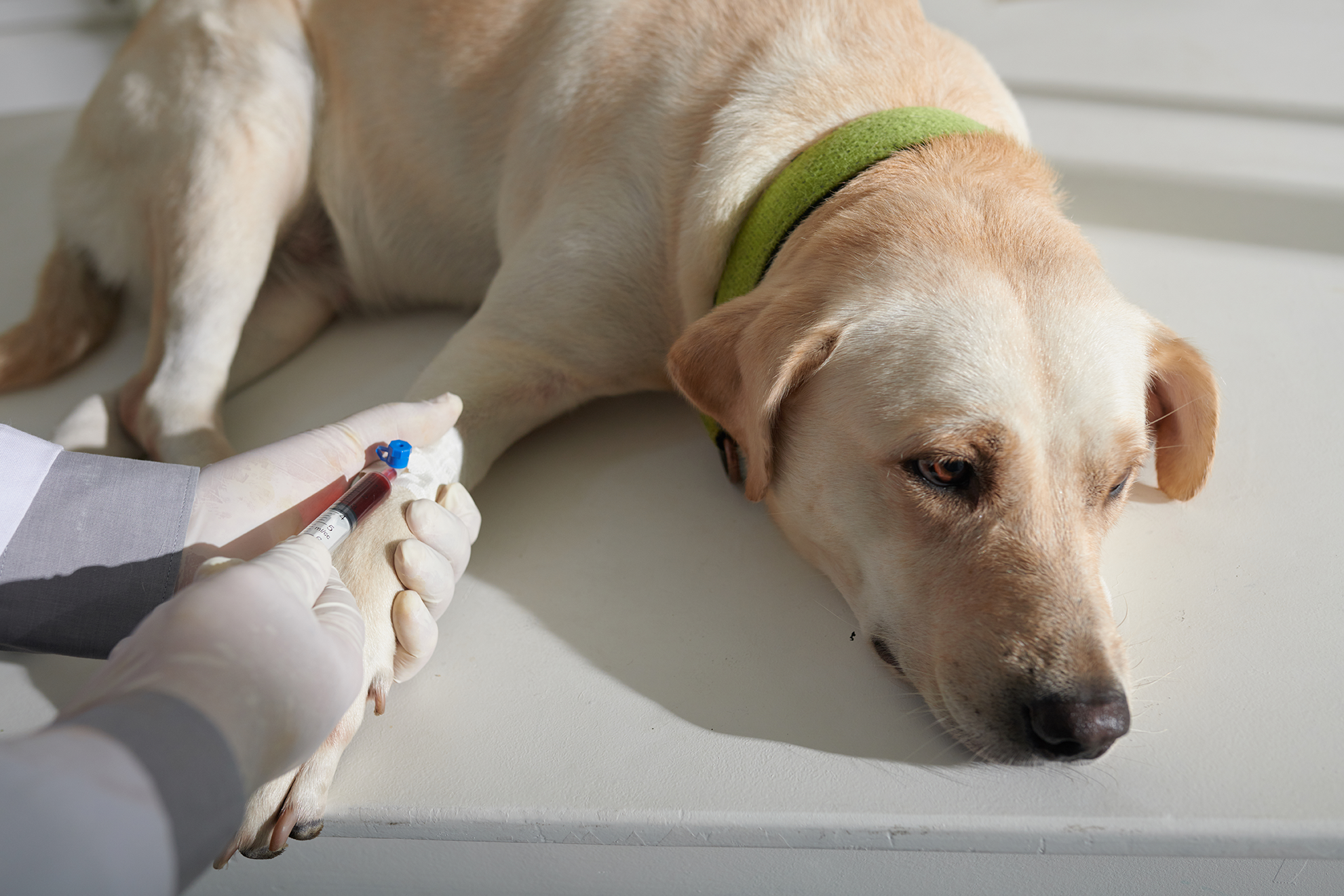
“At the moment, your dog is bright and well, and we’ve removed as much of the toxin as we can. We’ll take a quick blood sample to check how the kidneys are coping right now. If those results are normal, managing your dog at home is a reasonable option and is less stressful for dogs than being hospitalised, provided you’re able to keep a close eye on them.
At this stage, hospitalisation and intravenous fluids have not been shown to reduce the risk of developing acute kidney injury, although they may become necessary if anything changes. The reassuring thing is that most dogs in this situation do not go on to develop kidney problems, and overall survival is reported at over 99%.
At home, we’d ask you to watch appetite, drinking, urination and energy levels and to look out for any vomiting or diarrhoea. If you notice any change, we’d want to see your dog promptly so we can reassess and escalate care if needed. Does that sound like something you’d be able to do?”
When we replace dogma with dialogue, we build a solid foundation of trust. In this context, evidence becomes a tool to triage, personalise and empower.
Another important part of contextualised care is recognising the emotional toll uncertainty can place on owners. Even when a dog remains clinically well, some owners find the “wait and see” period deeply stressful, worrying constantly about the possibility of hidden kidney damage. In these cases, offering a repeat blood test after 48 hours can provide reassurance. By this point, if kidney injury were developing, changes would be expected to be detectable, allowing us either to intervene early or to give the owner a clear and definitive all-clear.
If it would help put your mind at rest, we can repeat the blood test in 48 hours. At that stage, we’d expect to see any kidney changes if they were going to occur and if everything is still normal, we can be confident your dog is in the clear.
When we replace dogma with dialogue, we build a solid foundation of trust. In this context, evidence becomes a tool to triage, personalise and empower. By explaining how our recommendations are shaped by data yet tailored to the individual patient and client, we demonstrate both knowledge and empathy, fostering genuine compliance rooted in understanding.
Ultimately, the future of veterinary medicine isn’t about having all the answers. It is about confidently navigating the grey and managing risk through open communication to create a shared, defensible plan that prioritises patient safety and welfare. In doing so, we take the opportunity to replace instruction with genuine partnership, moving beyond rigid protocols to deliver true, contextualised care.
Don’t forget to sign up to our monthly newsletter for exclusive content and news from Veterinary Woman!

You may also like:
Inspired Vet – Download Issue 5
Osteoarthritis in rabbits and guinea pigs: prevalence, recognition and multimodal management
Faecal calprotectin in the diagnosis and monitoring of canine and feline inflammatory enteropathy