


An article by Molly Varga Smith BVetMed DZooMed (Mammalian) MRCVS
Molly is an RCVS recognised specialist in zoo and wildlife medicine with a particular interest in rabbit medicine and surgery. She is Head Vet at The Exotic Animal Vets in Manchester, an independently owned specialist centre caring for all exotic pets, and has advised Supreme Petfoods – the manufacturer of Science Selective, a specialist nutrition brand for small pets – for over 15 years.
As the small pet population, including rabbits and guinea pigs, continues to grow, we’re seeing not just an increase in numbers, but in longevity too. Improved owner awareness, better nutrition and advances in veterinary care mean these small pets are living longer than ever. However, this extended lifespan brings new challenges, with age-related conditions becoming increasingly common. Among these, osteoarthritis (OA) stands out as particularly significant, yet it remains frequently under-diagnosed.
Understanding the prevalence
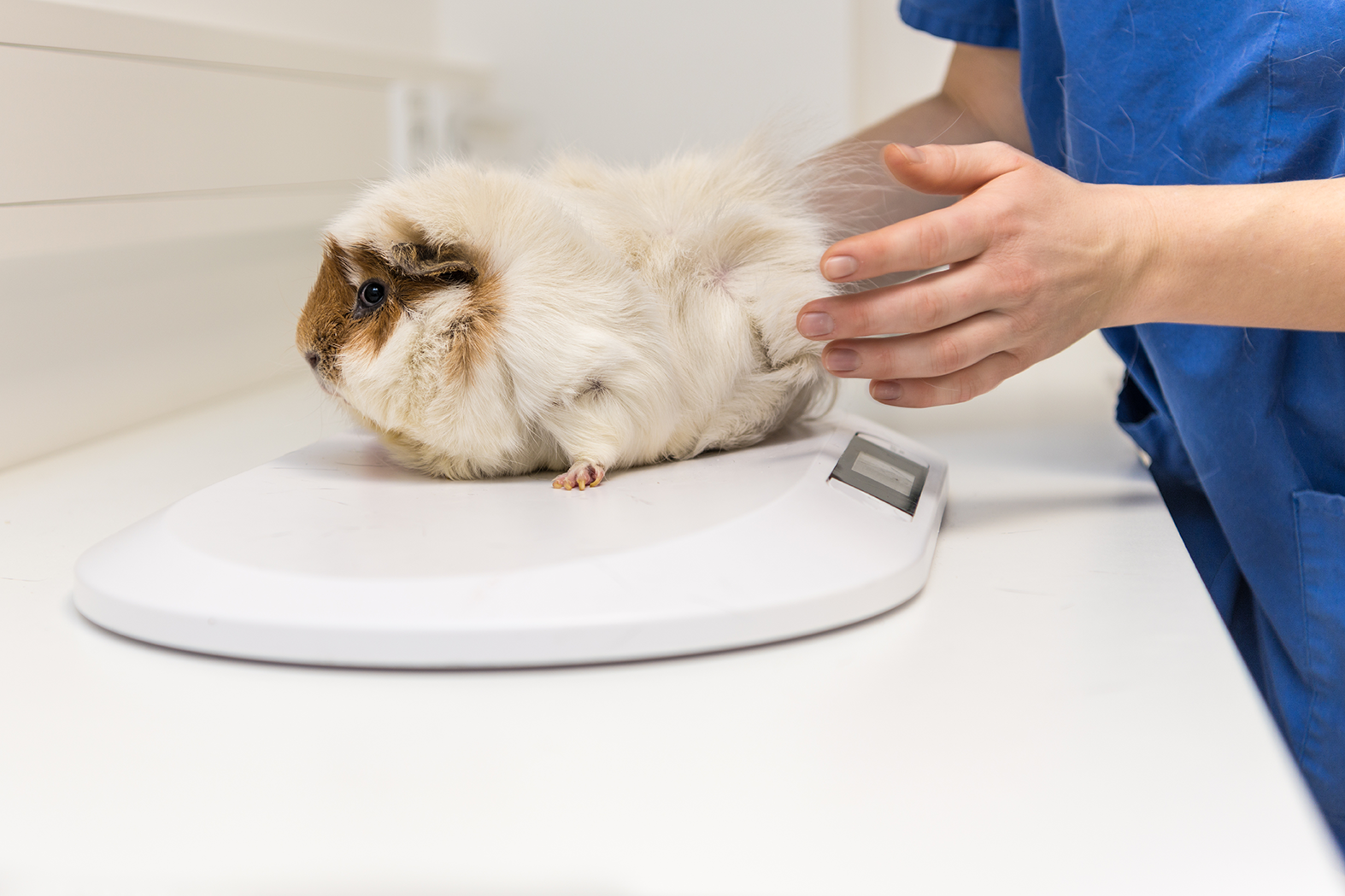
The true extent of osteoarthritis in small pets may surprise many clinicians. In rabbits, retrospective analysis of radiographs has suggested a prevalence of just over 40%.1 Even more telling is a UK study that evaluated computed tomography (CT) scans of rabbits admitted to a veterinary hospital: 19.6% showed evidence of OA in at least one joint, yet clinical signs were recorded in the notes for only 14.8% of affected animals.2 This substantial gap highlights how easily the condition can be missed.
Giant rabbit breeds face particular risk, sometimes developing clinical signs as early as two years of age. The hip and hock joints are frequently affected, and spinal spondylosis is commonly observed. But herein lies the challenge: as prey species, rabbits are masters at hiding discomfort, making signs subtle and easily overlooked even by the most attentive owners.
Guinea pigs are similarly affected, with tibiofemoral OA identified as one of the most common musculoskeletal disorders in the species.3 The prevalence across the population is thought to be high. Scurvy and subclinical hypovitaminosis C may further complicate the clinical picture, contributing to joint pain and swelling through intra-articular haemorrhage.
| Key clinical considerations – OA is common in both rabbits and guinea pigs – Clinical signs are often subtle and can be overlooked – Giant rabbit breeds are at higher risk – Pain management is essential – Nutritional supplements can provide additional support – A multimodal approach delivers best results |
The importance of multimodal care
As with cats and dogs, effective management of OA in small pets requires a multimodal approach, with pain control at its heart. Non-steroidal anti-inflammatories (NSAIDs), such as meloxicam, are commonly prescribed and other analgesics may be used off licence. Given the limited number of licensed products and sparse data available, doses are often extrapolated from other species.
In practice, many owners ask about nutritional supplements as part of long-term osteoarthritis management, particularly where mobility changes are gradual or where they are keen to explore supportive options alongside prescribed analgesia. Common queries may relate to widely recognised supplement ingredients, such as glucosamine or turmeric. These discussions provide a valuable opportunity to refocus attention on the fundamentals of care, including pain management, weight control, appropriate exercise and nutritional adequacy.
Nutritional factors and osteoarthritis in guinea pigs
OA often occurs secondary to a range of dietary, husbandry and biomechanical factors. Obesity, inappropriate substrates , limited exercise, pododermatitis and joint trauma are all recognised contributors to abnormal joint loading and degenerative change. Nutritional factors, especially those related to vitamin C intake in guinea pigs, may further complicate the clinical picture.
Unlike rabbits, guinea pigs lack the enzyme L-gulonolactone oxidase, which is required to convert L-gulonolactone to vitamin C.4 They are therefore entirely dependent on dietary provision with inadequate intake resulting in hypovitaminosis C.
Hypovitaminosis C and joint disease
Vitamin C plays a key role in collagen synthesis and connective tissue integrity. Deficiency can lead to capillary fragility and impaired tissue repair, with musculoskeletal signs typically developing within weeks of insufficient intake.
Clinically, hypovitaminosis C may present with lameness and joint swelling due to intra-articular haemorrhage,5 alongside more general systemic signs. Affected animals may show signs of pain, including a hunched posture and may vocalise when handled. When OA is already present, vitamin C deficiency may hasten the progression of joint disease.
Dietary provision typically includes a guinea pig nugget diet containing stabilised vitamin C, alongside leafy greens and species-specific treats. Although hypovitaminosis C is linked to joint disease, supplementation alone does not prevent OA because as with other species, the aetiology of OA is often multifactorial.
Clinical signs associated with hypovitaminosis C
| Common findings include – Lameness and reluctance to move – Swollen limb joints and costochondral junctions – Hopping or shuffling gait – Reduced appetite and weight loss – Lethargy – Rough or poor quality coat – Delayed wound healing |
Looking ahead
As our understanding of osteoarthritis in rabbits and guinea pigs deepens, opportunities to improve outcomes through earlier diagnosis, optimal husbandry, and multimodal care continue to grow. Given the subtle nature of clinical signs in prey species, proactive assessment and ongoing review are particularly important.
By integrating effective analgesia, environmental and husbandry modification, nutritional assessment and clear communication with owners, clinicians can make informed, welfare-focused decisions that support comfort, mobility and quality of life in ageing small pet patients.
References
- Arzi, B. et al. (2011) A proposed model of naturally occurring osteoarthritis in the domestic rabbit. Lab Animal, 41(1), pp.20–25. https://doi.org/10.1038/laban0112-20
- Bagha, F. & Keeble, E. (2024) Incidental osteoarthritis: risk factors, prevalence and clinical evidence in rabbits. UK-VET Companion Animal, 29(2).
- Minarikova, A. et al. (2015) Diseases in pet guinea pigs: a retrospective study in 1000 animals. Veterinary Record, 177, p.200. https://doi.org/10.1136/vr.103053
- Johnson-Delaney, C. & Meredith, A. Vitamin C deficiency. Vetlexicon Exotis. Vitamin C deficiency in Guinea Pigs | Vetlexicon
- Keeble, E. (2023) Guinea pig nutrition: what do we know?. In Practice, 45: 200-210. https://doi.org/10.1002/inpr.309
Don’t forget to sign up to our monthly newsletter for exclusive content and news from Veterinary Woman!

You may also like:
Veterinary Woman Role Model – Professor Joanne P. Webster FMedSci FRS
Inspired Vet Article – Fat-sensitive conditions in the dog
Veterinary Woman Role Model – Charlotte French