

An article authored by Karis Matik, Kernow Vets Messaging.

Karis Matik is part of the team at Kernow Vets Messaging, a dedicated veterinary answering service supporting practices across the UK. Her work focuses on making client communication more accessible, inclusive, and stress-free for both teams and pet owners. Karis helped shape the launch of Kernow’s Nurse-Led Live Web Chat, designed to give clients another way to reach trusted clinical advice in a format that works for them. She is also a long-time StreetVet volunteer and a passionate advocate for community outreach, inclusion, and compassionate care that extends beyond the consult room.

Some clients hate using the phone. Others find it hard to explain things when they are stressed. Some do not feel comfortable asking questions in person, and some are juggling kids, work, and a sick pet with no spare brain space left to call during opening hours.
When we talk about improving communication in veterinary practice, it is easy to focus on efficiency or cutting down missed calls. But the real conversation we need to have is about inclusivity, making sure every client has a way to reach us that works for them.
Because communication is clinical. And how we communicate can be the difference between a worried client getting help or giving up altogether.
One size does not fit all
We often default to phones and face-to-face chats in veterinary care. For a lot of clients, that is fine. But for others, it just does not work. Maybe they are neurodivergent and find phone calls overwhelming. Maybe English is not their first language, and they need time to process. Maybe they are in a noisy house, working shifts, or they simply freeze up the moment the phone rings. And then there are the clients who feel too embarrassed to ask something “silly”, or who panic and forget their questions when they do get through. All these clients still love their pets. They still want to do the right thing. But if the only option is a quick, stressful call, they might miss the chance to get the support they need.
Live web chat is not just convenient, it is inclusive

That is where tools like nurse-led live web chat come in. It is not just a techy add-on; it is a way of widening the door. At Kernow Vets Messaging, we have introduced a chat service where registered veterinary nurses speak with clients in real time, directly through the practice website. No apps, no logins, no phone call stress. And it is already making a difference. Sirena Brown, one of our web chat nurses, recently supported a deaf and mute client who was also facing a language barrier. It was a possible emergency, and she was struggling to get help. Sirena used the chat to bridge the gap, even calling Vets Now on the client’s behalf and helping her access their own live chat service to make sure her pet could be seen. That client could not have accessed help without a written service. And she is not alone. “We have had people with anxiety who just cannot manage a phone call,” Sirena explains. “Elderly clients who tell us they are hard of hearing. And people who do not speak English as their first language, live chat gives them time to process and means accents do not get in the way of understanding.”
With typed communication, clients can:
- Take their time
- Translate or simplify language
- Refer back to advice
- Reach out from wherever they are, whenever they need
For some, that small shift makes all the difference. They do not need to mask, script, or justify why the phone is difficult. They just get the help they need from someone who gets it.
It’s not either/or, it’s about choice
This is not about replacing phone calls or in-person care. It is about offering options. About recognising that different people need different things, and that offering more than one way to communicate makes your practice more accessible, more approachable, and more trusted. Some clients will always call. Others will always walk in. But for the ones who cannot, or will not, chat gives them a seat at the table too.
And when clients feel heard and respected in the way they communicate, it leads to stronger relationships, fewer complaints, and better outcomes all round.
What can we change today?
Improving client communication does not need to be complicated or expensive. It can start with small shifts:
- Offer more than one way to get in touch; phone, email, web chat, face-to-face
- Keep language clear, simple, and welcoming
- Think about the barriers your current setup might create for anxious or neurodivergent clients
- Ask your clients what they need
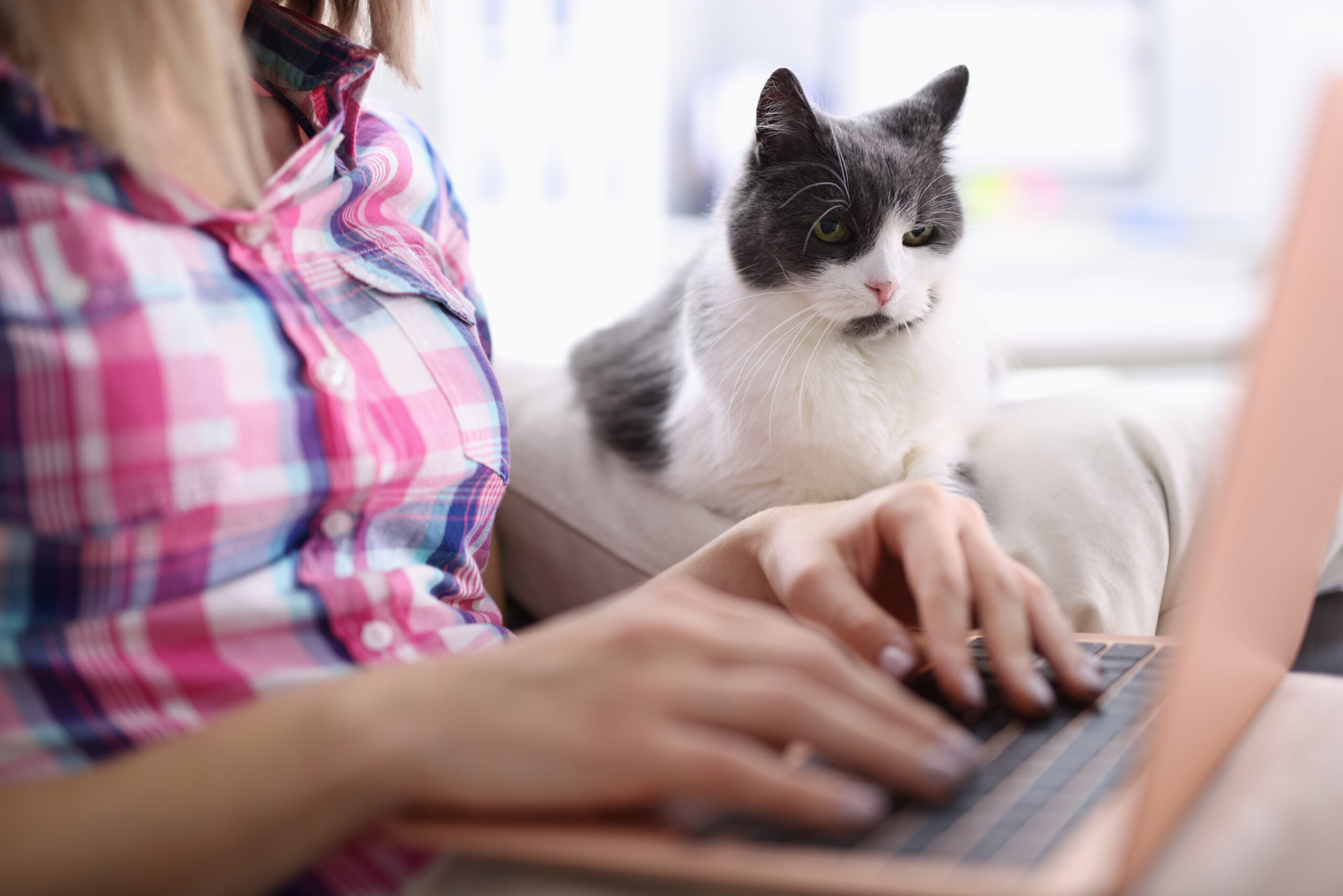
Most importantly, treat communication like the clinical tool it is. Because when it is inclusive, it becomes just as valuable as any medication or surgery, helping clients feel safe, supported, and seen. We talk a lot about access to care. But access starts with communication. If clients cannot reach us, cannot understand us, or do not feel safe asking questions, we are already behind. Live web chat is just one tool, but it is one that is helping clients who might otherwise fall through the cracks. Not because it is faster or more efficient, but because it is kinder. And that is something worth building on.
Don’t forget to sign up to our monthly newsletter for exclusive content and news from Veterinary Woman!

You may also like:
Leading in a Customer-Oriented Business
Inspired Vet Profile – Bridget Adcock
Inspired Vet – Download Issue 3