
When vets are introduced to the matter of lone working, it is normally seen as just part of the job. Like other healthcare industries, medical emergencies happen at any time of the day or night, but the veterinary industry is fairy uniquely placed in its frequency of lone working. Whist we cannot prevent the need for middle-of-the-night call-outs and ambulatory services, the issue of vet safety is not always given the respect and seriousness that it deserves. Do we need to do more to keep vets safe?
The team at Veterinary Woman interviewed five female veterinary surgeons, all from different practices, to find out how they felt about lone working. What was interesting is that all five had feelings of anxiety along with specific incidences that could be described as ‘near misses’, yet not one had spoken openly about these feelings with others before. All five women tried to play down their own concerns as “just something you have to get on with”, but is this not how, as women, we have been conditioned? To brush off our own feelings as irrelevant or even invalid?
Out of sight, out of mind?
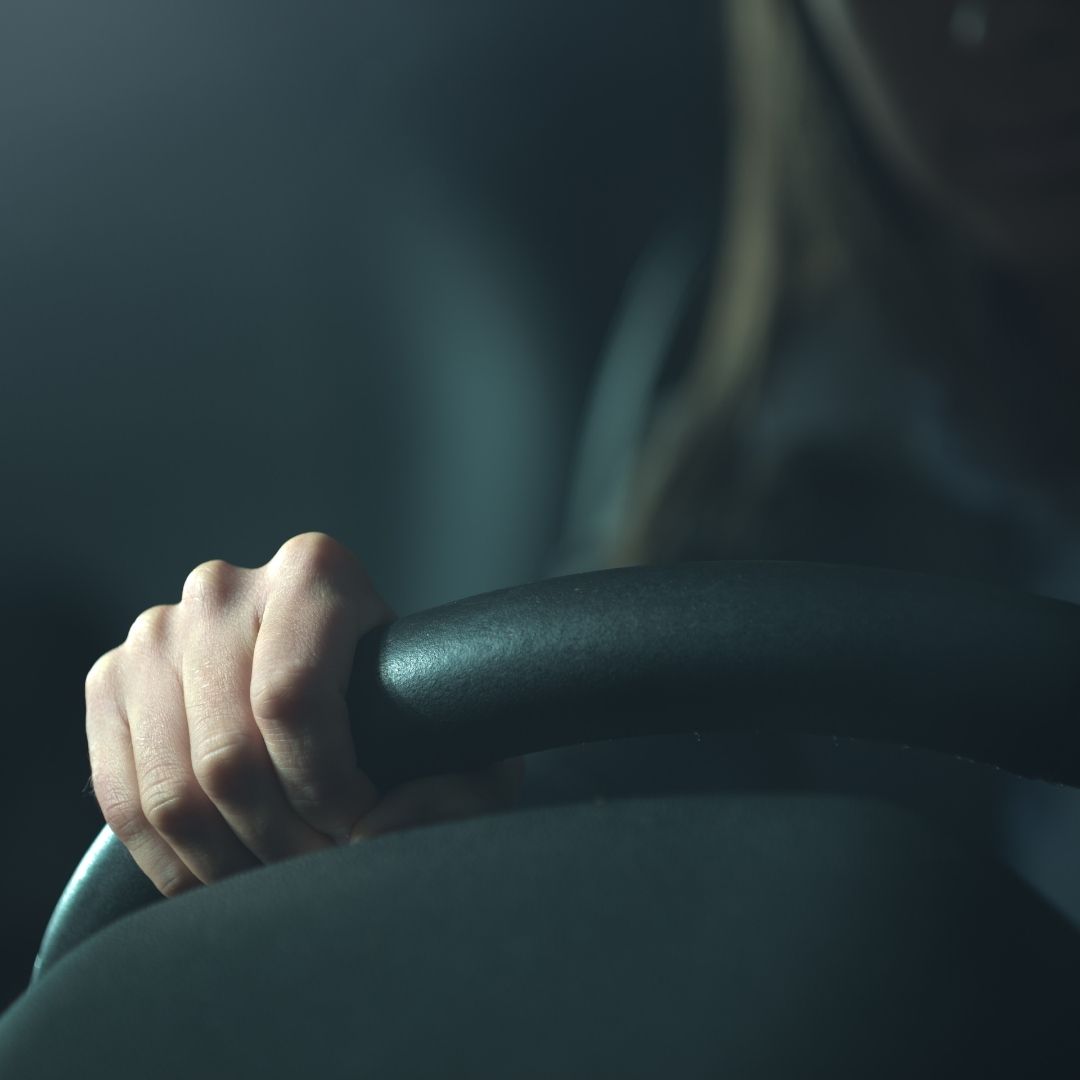
One vet, who wished to remain anonymous, described the anxiety of making a home visit at 2 am to a dog experiencing dystocia. Whilst the outcome was successful, the journey to and from the flat where the owner and dog lived involved walking across a deserted car park and five flights of stairs in the dark – all whilst carrying a bag full of drugs. “It wasn’t the safest area of town, and I was acutely aware of how vulnerable I was to attack. I lived on my own and no one would have known if I hadn’t arrived back home safely.”
Lucy*, an equine vet from Suffolk, agreed that there is little, if any, responsibility for ensuring the safety of the team. “I work in an ambulatory practice and, whilst our vehicles have trackers, this provides little use in the middle of night. If something happens to me, no one will know I’m missing until at least 8 am when the day team starts.
“It’s rarely possible to log on to the practice management system before attending a night-time emergency, so I often don’t know if the person calling is a registered client or not. I once had a male client who consistently made inappropriate comments to me whilst I was working alone, but I never told my boss – he would have dismissed it as something I just had to put up with. He wouldn’t have taken it seriously.”
Emma, a small animal vet practising in London, also referred to the pressure of not raising a complaint about clients, even if the behaviour had been threatening: “Generally, I feel that staff are encouraged to deal with difficult or aggressive clients on their own as much as possible before asking a manager for help and, even then, I don’t always feel management are too keen to support us – they worry about the practice’s reputation.”
Are current policies enough?
Clearly, there are frequent situations for vets where risk analyses would highlight several areas of concern. But are practices doing enough to safeguard their employees? Are we overlooking even seemingly innocuous situations that could be dangerous?
Chloe, a practice manager from Surrey, explained how protocols were changed after an enlightening situation occurred over the phone with a client. “We had a gentleman call our reception team enquiring when a particular vet – a female vet – was on duty. This is of course a common query and so our receptionist naturally obliged and told him that they would be consulting until 8 pm. However, there was something unsettling about the way that he kept asking what time her last consultation would finish that made me realise that we are voluntarily telling people when members of the team are leaving the practice and when they’ll likely be on their own. We no longer do this – we simply tell clients what appointments are available.”
One female vet we interviewed, who also asked to remain anonymous, agreed that practice protocols could be improved. “I do worry about going to the clinic out of hours to see owners, particularly those I have never met before. They are usually really lovely and very grateful that I have gone out to see them, but it does cause me anxiety. I don’t think I’ve ever felt especially unsafe, but the practice doesn’t have any kind of lone worker policy – or none that I am aware of anyway – and I have to deal with some very challenging situations on my own.”
What does the law say on lone working?
The Health and Safety Executive (HSE) states that ‘lone workers face the same hazards at work as anyone else, but there is a greater risk of these hazards causing harm as they may not have anyone to help or support them if things go wrong … It will often be safe to work alone. However, the law requires you [the employer] to think about and deal with any health and safety risks before people are allowed to do so’1.
The HSE specifies that whilst there is no legal requirement to conduct a separate risk assessment for lone workers, employers have a duty to include risks to lone workers in their general risk assessment and to take steps to prevent or control risks where necessary. The employer must consider the environment the worker is in and the equipment they are using1:
- Does the workplace present a specific risk to the worker, such as operating equipment alone or lifting objects too large for one person?
- Is the work in a rural or isolated area?
- Is the worker going into someone else’s home or premises?
- Is there a safe way in or out for one person working outside normal hours?
- Does the worker have adequate and reliable means of communication and a way to call for help?
The stress of lone working
The HSE also states that ‘lone working can negatively impact on employees’ work-related stress levels and their mental health’ and asks employers to ‘consider factors such as relationships with, and support from, other workers and managers. If these are not managed properly, they can lead to work-related stress. Being away from managers and colleagues could mean good support is more difficult to achieve’.
The UK Government Veterinarians Wellbeing Survey 20192 included concerns about lone working, and a fifth of respondents felt their organisations could offer more support in this area. Respondents provided possible solutions to provide such support, including:
- “Always have two of us on farm. At the moment, because of lack of staff, we are often on farm solo.”
- “There is a stated lone worker policy particularly for office workers in a government department [edited] but it is rarely adhered to in my experience.”
- “Veterinary employers should develop, raise awareness and implement lone working policies and walk-away policies when employees are faced with dangerous situations.”
Erase the fear of speaking out
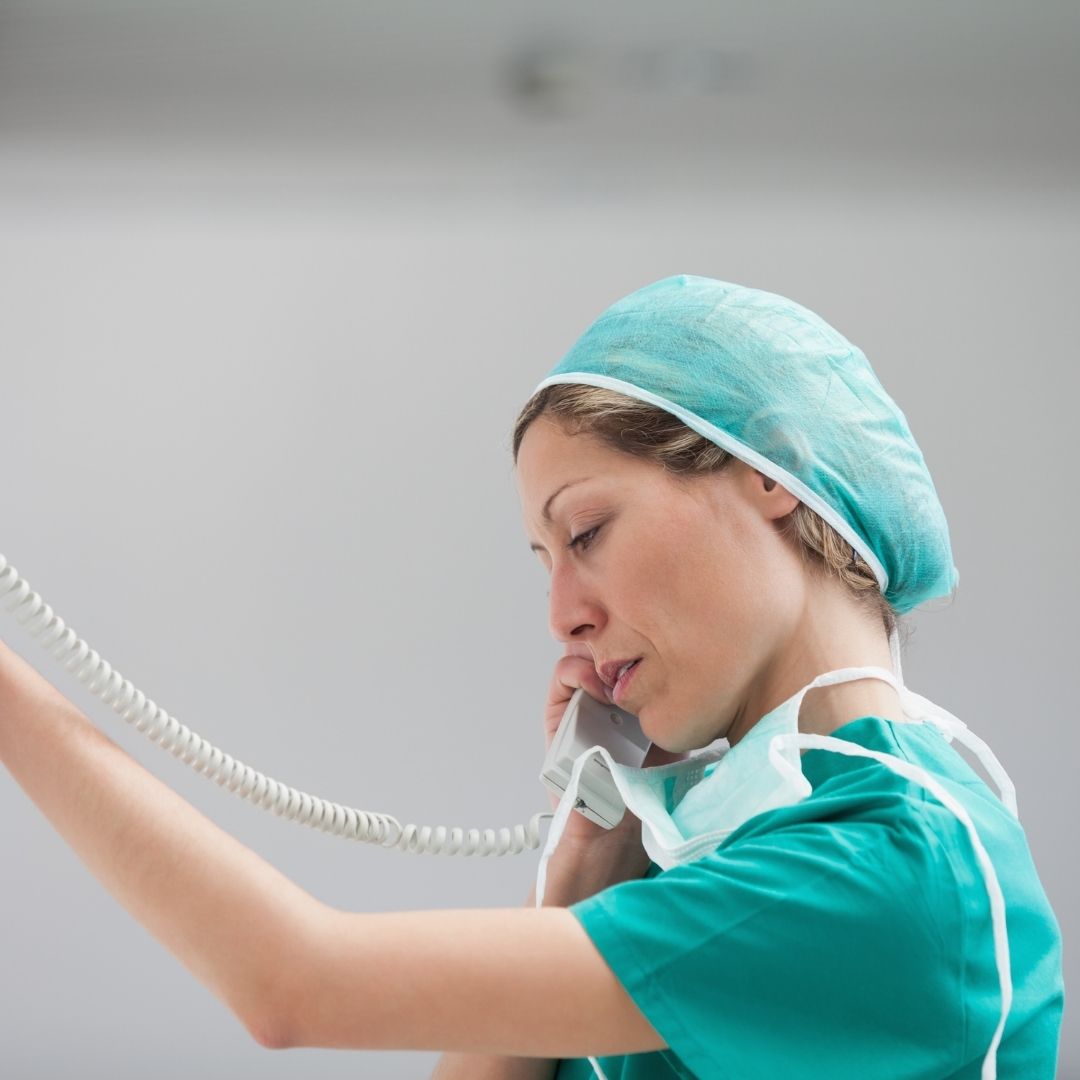
Emma agreed that managerial support needs to be more accessible. “I think a lot more could be done to make both female and male vets feel more supported and safer at work. Personally, I think that there should be more set protocols and general discussion within the team (for example, at team meetings) about this kind of thing.
“Protocols could include dealing with difficult clients in groups or pairs, and I also I think it would be helpful for managers to make it more clear to staff that they can always ask for back-up if they feel they need it, as well as providing managers and senior staff members with more time to deal with these kind of situations appropriately.”
Lucy agreed: “My husband has insisted on coming with me in the car now when I attend night-time call-outs. The practice thanked him for doing so, but the onus needs to be on the employer to offer support and keep the team safe.
“There’s this consensus that, ‘This is the way it’s always been done, so there’s no need to change it’, but we need to raise awareness of the reality of how dangerous lone working can be. There’s a pressure to act the part at work and be professional, but we need to erase the fear of speaking out.”
Chloe agreed with the need for clearer protocols: “As an industry, I definitely feel we need to make lone worker policies much more apparent. We can’t wait until something awful happens before we take action. In what other situation in life would we permit a woman on her own – or man for that matter – to visit a stranger’s home in the middle of the night without taking quite significant safety measures?”
*All names have been changed.
References
- The Health and Safety Executive (2020). Protecting lone workers.
https://www.hse.gov.uk/pubns/indg73.pdf - The Government Veterinarians Wellbeing Survey (2019). https://www.agv.org.uk/app/download/5813501909/Vet+Wellbeing+survey+-+Final+February+2019.pdf
You may also be interested in reading:
Remote Working and Work-Life Balance; Stories From the Virtual Field.
Pregnancy in the veterinary workplace
A closer look at work-life balance