
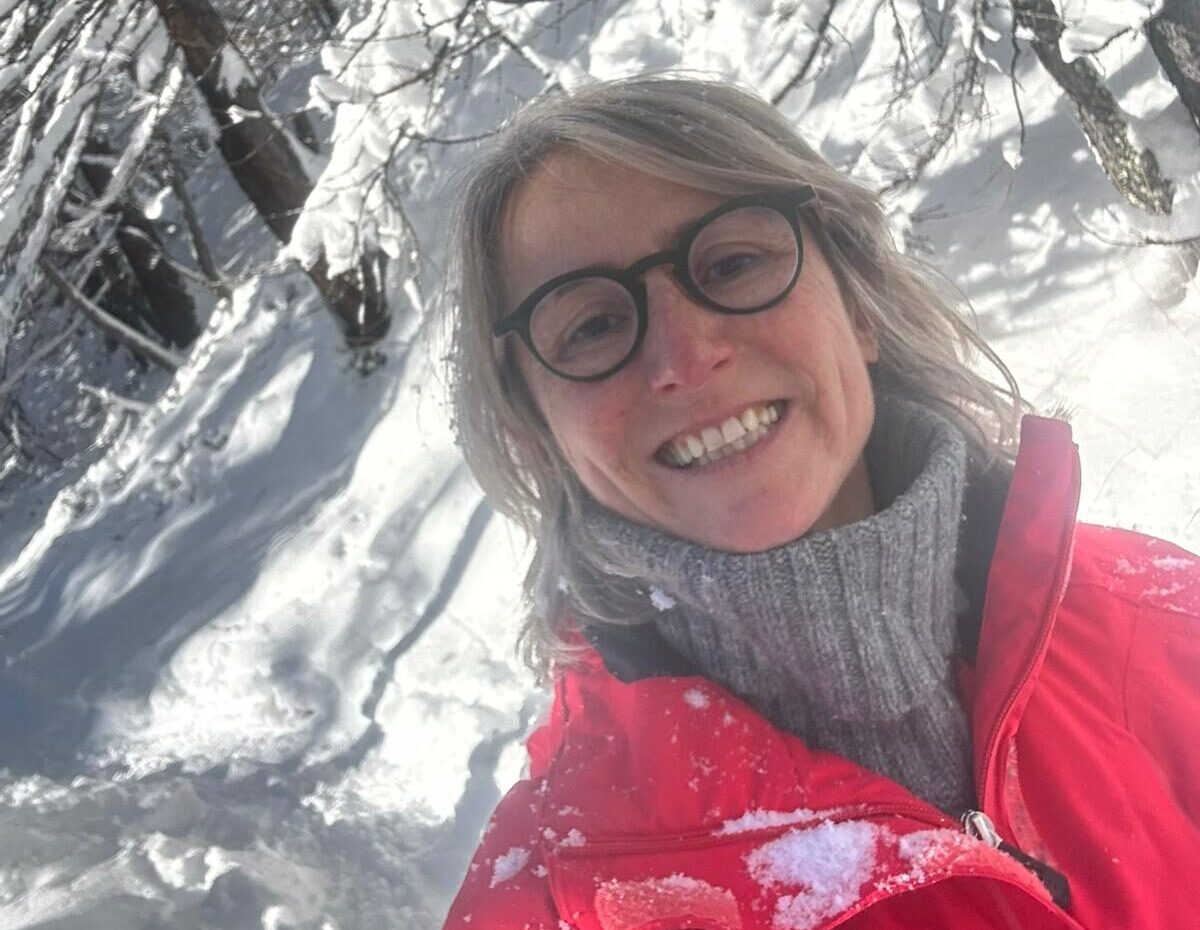
Silvia Auxilia is currently working as a Lead Vet and Head of Service at the Referrals Dermatology Service in Glasgow, but her diverse career has taken her on adventures in the USA, the Netherlands, Oman and Scotland. In her profile, Silvia reflects on some of the biggest personal and professional milestones she has faced and how these impacted the choices she made that have led her to where she is today, taught her to find her voice and helped her to stand up for what she believes in.
Please summarise your journey:
I graduated from the University of Turin in 1995 and immediately went to Seattle in the USA for a four-month internship, during which time I decided to do a Residency and specialise. I chose dermatology because it’s a visual discipline where the clinical presentation gives clear indications to the pathogenesis of the conditions. I enjoyed the challenge of chronically relapsing cases and developing a long-term relationship with pet carers.
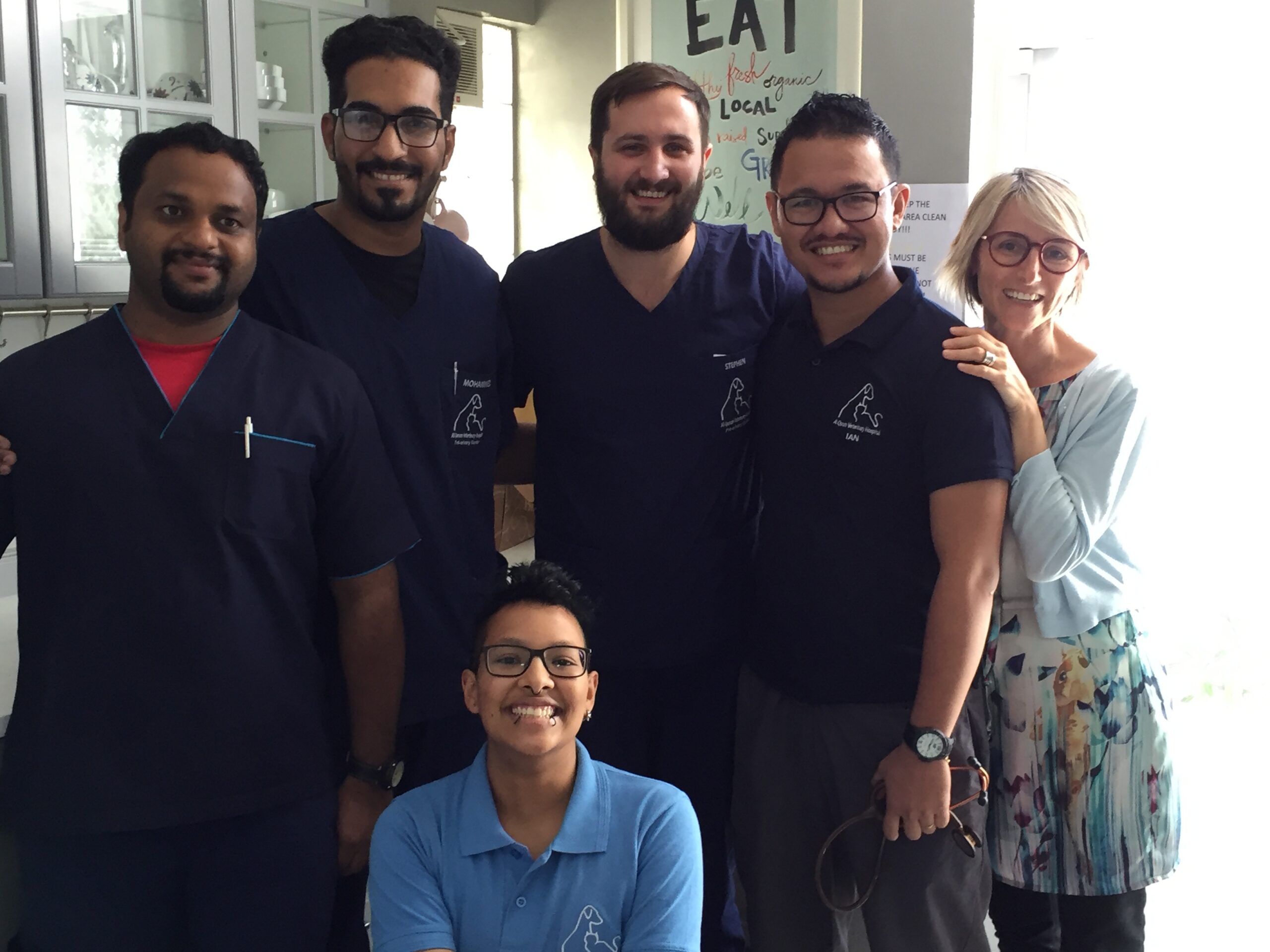
I completed an ECVD Residency at the Royal (Dick) Veterinary School in Edinburgh, obtained the CertVD and became a Boarded diplomate in Dermatology. I moved around a lot after that, going to London, then the Netherlands, Scotland and Oman. I lived and worked in Muscat as well as travelling monthly to Beirut and Abu Dhabi. Together with my geologist husband and our three children, we embraced living in such a beautiful, culturally different and very welcoming country. We savoured many outdoor adventures in Oman and countries nearby such as Iran, Ethiopia and Sri Lanka.
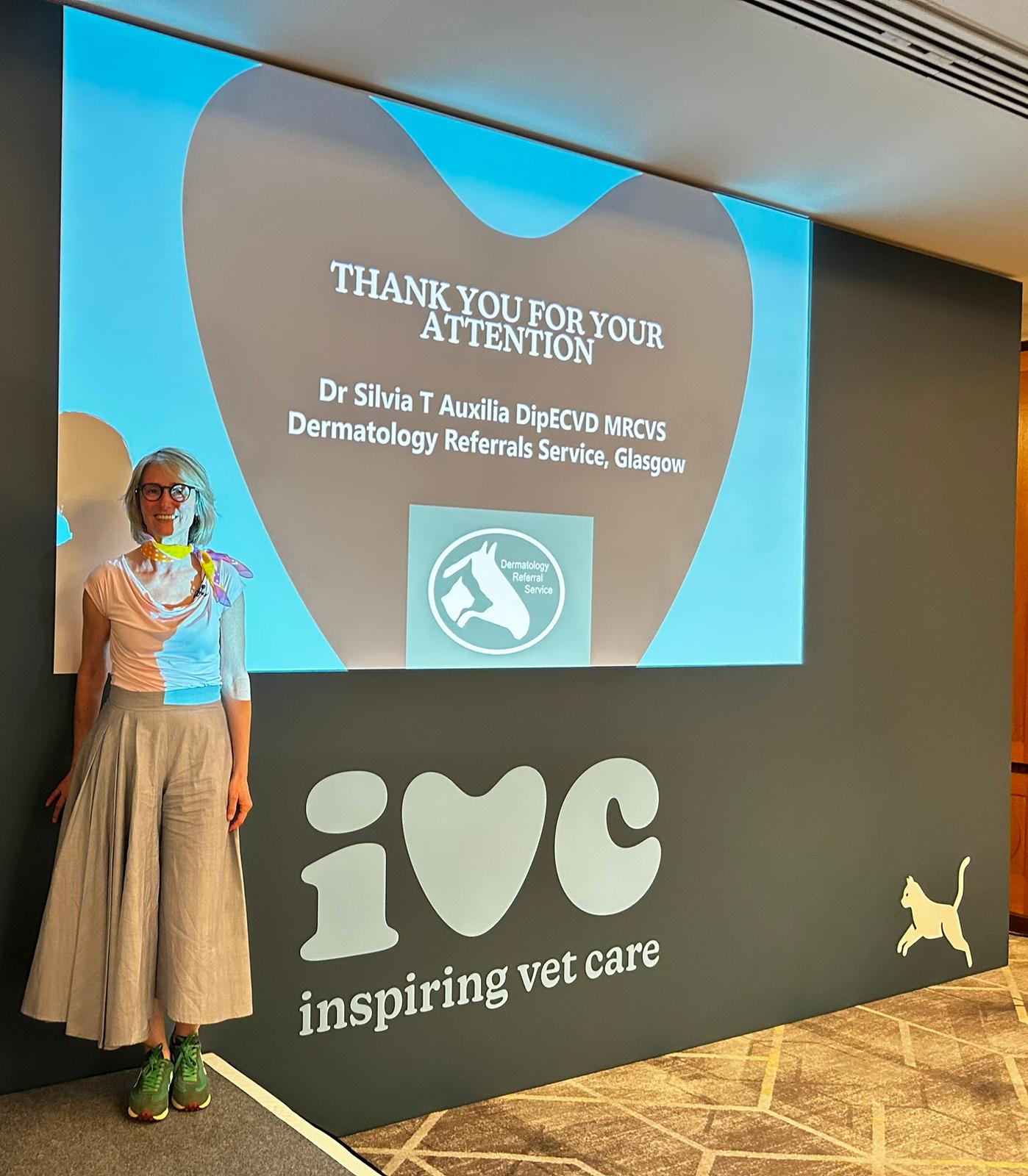
We moved back to the Netherlands approximately eight years ago where I was a senior lecturer at the University of Utrecht and then Head of Dermatology at one of the country’s largest veterinary hospitals close to The Hague. After that I had the opportunity for a bit of a full circle moment and moved back to the Referrals Dermatology Service in Glasgow as Lead Vet and Head of Service. At this stage of my life, this is the perfect role as I get to head up a great team, training younger colleagues, and offering an innovative, state of the art service to our referral patients. I also very much enjoy giving presentations and spread up to date, evidence based information to colleagues particularly on topics such as the responsible use of antibiotics and antimicrobials.
Describe your typical day from waking to sleeping:
On my way to work (I walk and take the subway, I am a great fan of public transport) I enjoy some private time and usually listen to news podcasts and focus on some meditation and sometimes listen to music.
Once at work, we always start by doing rounds and creating a positive atmosphere for the day, coordinating with my practice manager, head nurse and the other staff members. We’re a busy referral centre, seeing challenging cases from first opinion practices, but we are also very friendly and focus on keeping a nice balanced atmosphere throughout the day, no matter what. In the morning I’ll often focus on procedures including CO2 laser, video otoscopy, biopsies, intradermal testing and consultations. I always try and get out for a 10 to 15-minute walk in the fresh air at lunchtime, while eating my sandwich. It helps to re-centre and recharge.
In the afternoon, there will be more consultations and meetings with the vets and nurses and management, discussing innovations, problem solving, challenges, and Journal clubs. We all try and leave the clinic together at 6pm after ensuring everything is wrapped up for the day and everyone had a good day.
How would you describe yourself in a sentence?
I am very much a growth mindset learner with great curiosity, so whatever I do, I love learning, trying new approaches, innovate, get inspired and my moral compass is very important to me. I strive to embrace diversity, fairness and being transparent and accountable for the responsibilities and choices we make.
How would others describe you in a sentence?
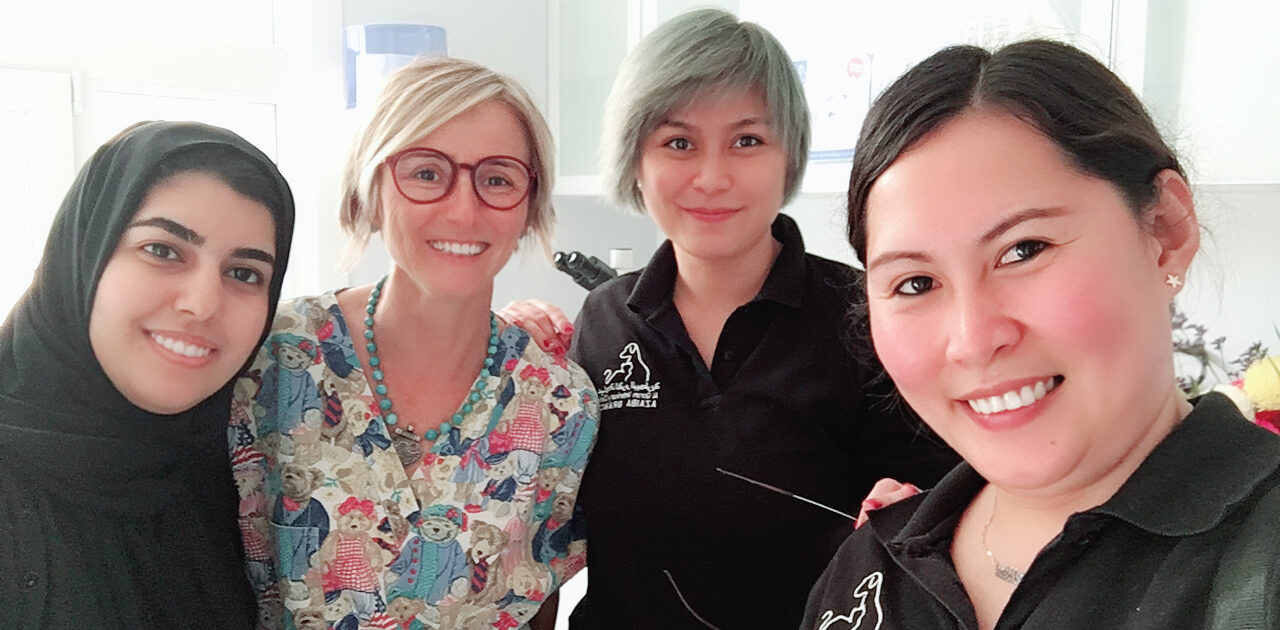
People I’ve asked have been kind enough to say I’m a perfect blend of fun, expertise, warmth and motivation. I’ve also been told I always see the best in people and that I am not afraid to stand up for what I believe in. And from my children and husband: humble, deep thinking, caring and compassionate, with an inspiring drive to do what’s best for others.
What has been your top success and what have you learned from this?
While I am happy about my professional life, one meaningful success was in setting up a breast cancer support group in Oman. I had been diagnosed and treated for breast cancer and emotional support was something new in Oman. When we created the support group, many women with different skills came forward and volunteered their time and expertise, like a friend who was an artist and came in for some art therapy sessions. I also became involved with organising and coordinating rotas and activities for volunteers within the paediatric oncology ward at the Royal Hospital in Muscat. It was very meaningful and rewarding for the children, the volunteers as well as myself and the other two coordinators. These experiences really inspired me also professionally.
What has been your biggest challenge, setback or failure and how have you overcome it? How did you grow or change as a result?
My biggest challenge has been working with people that are fixed mindset learners, where new ideas and growing both personally and professionally were considered a nuisance or something to be frightened of. It’s been a journey and you have to pick your causes. But if it’s a good cause, it’s worth fighting for. I believe working in these sorts of environments helped me to find my voice and the strength to stand up for the principles I believe in and to make sure everyone in my team was seen and valued for who they are.
I think as an international woman I sometimes had to fight harder, but it was definitely worth it. Even when I apparently lost, it was a great learning experience, so still of great value.
What compromises have you had to make and what, if anything, could have helped?
The compromises I’ve had to make are between my working and my family life. As a woman it’s really wonderful to have a family as well as an interesting job with a progressive career, and I’ve always been a very hands-on mum-of-three.
In the Middle East I was travelling regularly for my job, often flying between countries for a night or two. I did always try to make wise choices, keeping my priorities in mind, but the children have many memories of me not being there. I think there’s a fine line between being a mum who is present for their family and having a fulfilling career. At times I did feel there was a price to pay, but I wouldn’t have been great as a full-time mum. I think I’m a better clinician because I have a family as I have a greater understanding and empathy.
What advice would you have given to your younger self, that you would now give to others wanting to follow your path?
As vets we tend to aim for perfection and put huge pressure on ourselves. I’d tell myself to appreciate and celebrate the 80% success, which is a fantastic achievement. To recognise more readily when impostor syndrome was stepping in and reset myself into my curious, open-minded and enthusiastic self. That while trying to understand and empathise with everyone is wonderful, to be a people pleaser in all circumstances is not. Feeling brave enough to speak up when necessary is a great strength and helpful to everyone involved. Also, it is OK to make unconventional, brave choices and to think outside the box.
I couldn’t have got where I am today without…
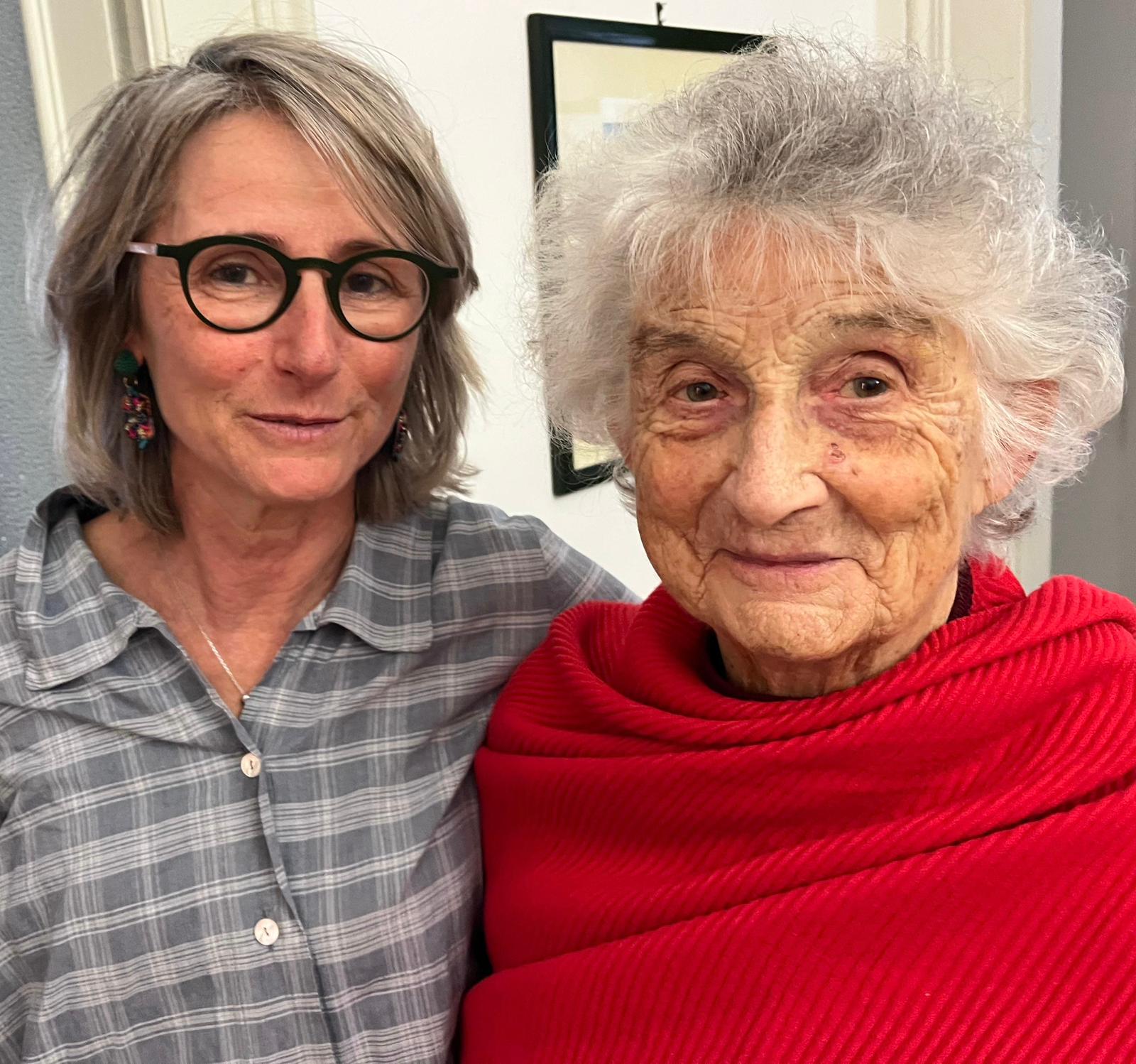
My mother, a university professor in genetics, who was and still is inspiring. I definitely couldn’t have achieved what I have professionally and personally without my husband and children: we have been through a lot together and are a resilient and resourceful team. And the diverse friends from all backgrounds, cultures, religions and path of life I’ve met in the different countries I’ve lived have shaped me and enriched and enhanced my life enormously.
You may also like:
Veterinary Woman Role Model Profile – Liz Mullineaux
Inspired Vet RVN Profile – Arlene Connor
Inspired Vet Article – Putting antimicrobial stewardship into practice