
Liz Mullineaux’s career has taken her from village sheep and goats in The Gambia to wildlife rescue, veterinary politics and ultimately the presidency of the British Veterinary Association. An RCVS Specialist in Wildlife Medicine, Liz reflects candidly on the unexpected turns, compromises and setbacks that shaped her path – from failing O level English to helping unite organisations with very different views around wildlife policy. In this honest and thoughtful profile, she shares her perspective on ambition, confidence, leadership and learning to accept being “a bit odd” along the way.
Please summarise your journey:
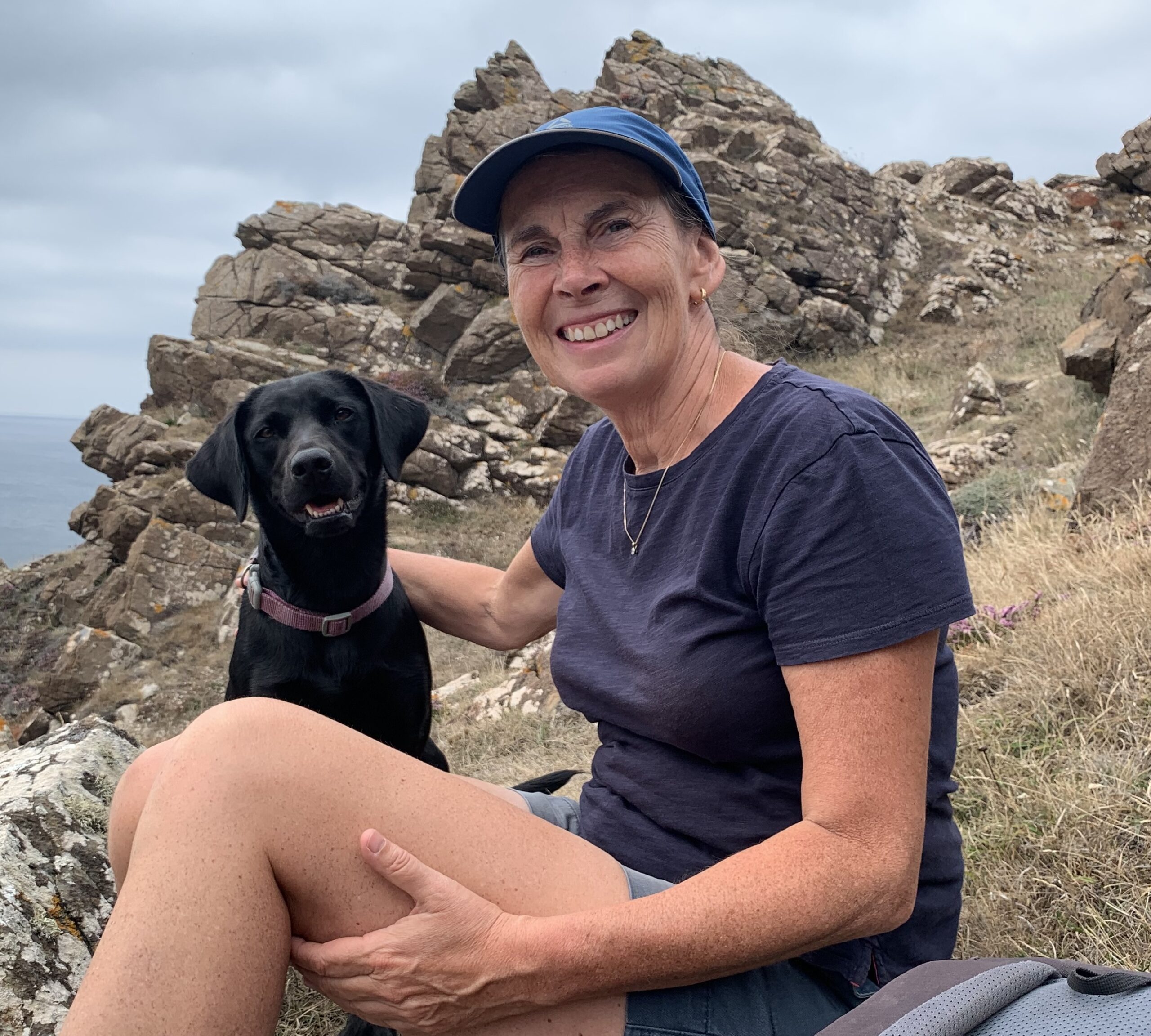
I’m from Burnley in Lancashire and the first person in my family to go to university. I’m one of those people who always wanted to be a vet and was lucky enough to scrape the grades to get into vet school in Edinburgh. After graduation I was one of a team of six who went to work in The Gambia looking at trypanosomiasis in village sheep and goats. I stayed there for a year and came back to UK practice to get good at sheep medicine, but fell in love with UK mixed practice.
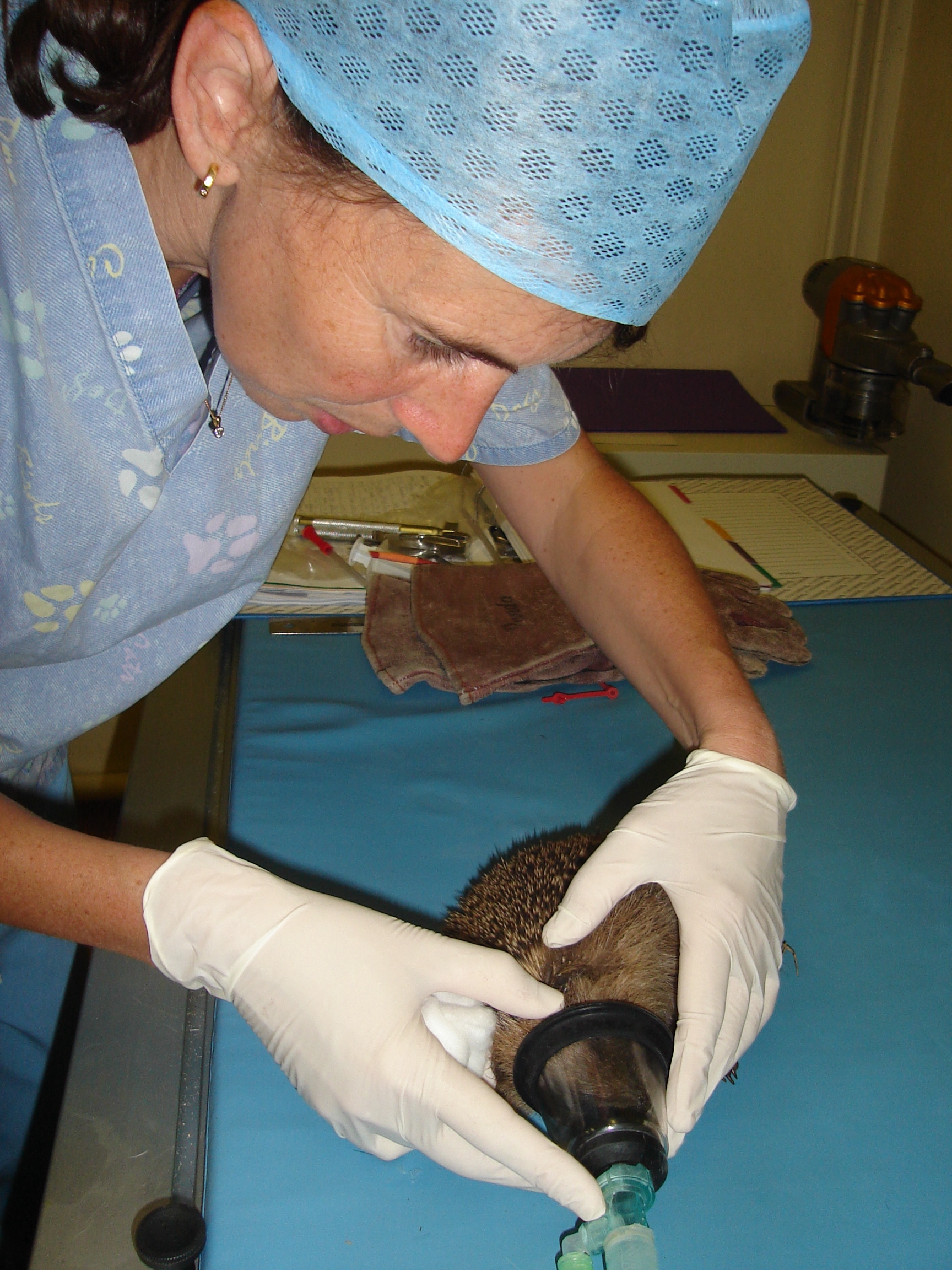
I wanted to have my own vet practice and ended up in a partnership in a veterinary hospital practice in Somerset. Whilst there I started doing the work for a wildlife rescue centre, which led to a part-time clinical doctorate in badger rehabilitation (yes really) and RCVS Specialist status in wildlife medicine.
The wildlife work pulled me into veterinary politics, initially at BSAVA where I got involved in their manuals (editing the one on British wildlife) and eventually chaired the BSAVA publications team.
What I saw as a lack of wildlife input into BVA’s work on bovine tuberculosis made me apply for a place on BVA’s Policy Committee, which I went on to chair – and the rest, I guess, is history, ending with me being BVA president in 2024/25. I’m now trying to combine my wildlife and policy work, with some success, as I finish my BVA officer role.
Describe your typical day from waking to sleeping:
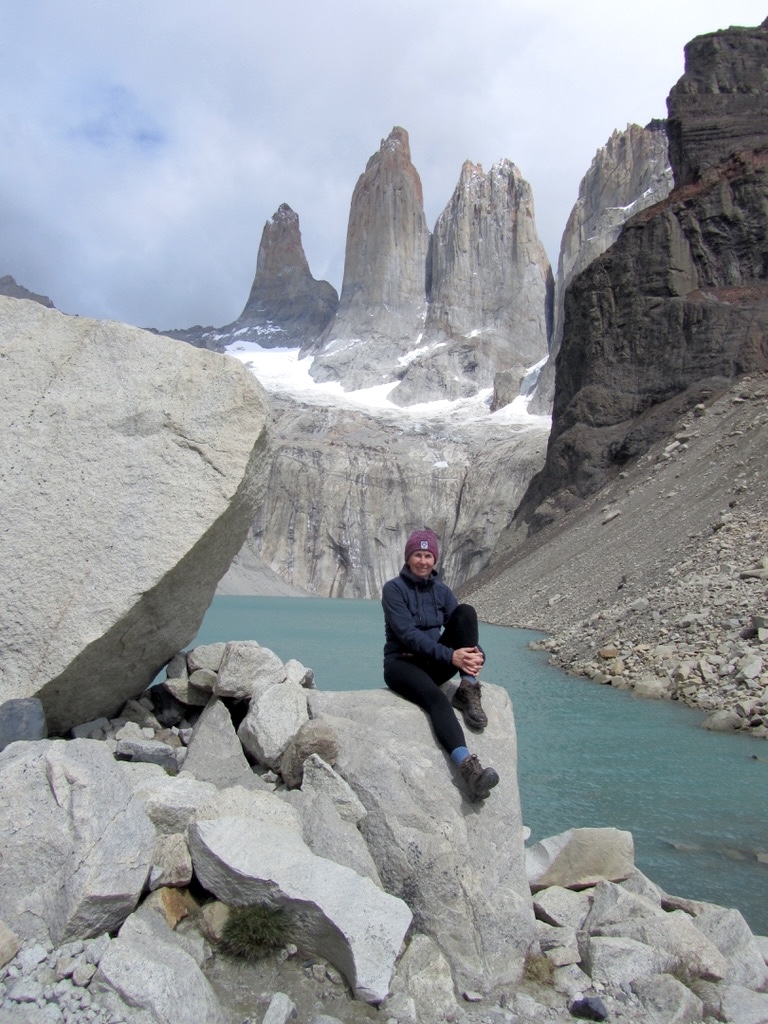
I’m not sure I have a typical day as a BVA officer. If I’m working from home, it’s up about 6.30am and at my desk doing Teams meetings until about 4.30pm. The nice thing about being at home is being able to use any breaks to walk the dog and get a few bits of domestic life sorted.
If I’m in the office in London, it’s similar work, but with more face-to-face meetings, which I prefer to remote working. I’ve liked having some time in London, but I’m a country girl and more than a few days at a time in the city is enough.
Evenings at home tend to be a dog walk, dinner, and a bit of TV (often watching football which is a family addiction). In London there might be a formal event, or a dinner with the other officers, or sometimes just work to catch up on.
I’ve spent a lot of time travelling over the last few years, and getting home to my incredibly supportive man and dog is my favourite thing. I’m usually in bed quite early, with a good novel to read for a bit to help me switch off.
How would you describe yourself in a sentence?
I did this in three words and thought ‘driven’, ‘gobby’ and ‘annoying’. Thankfully my friends were kinder (see below). I imagine I might be a bit too much for a lot of people when you first meet me – I sort of overcompensate, but I’m not really anywhere near as confident as people think I am.
How would others describe you in a sentence?
I did ask my four best female friends and they came up with; ‘focused’, ‘ambitious’, ‘assertive’, ‘inspiring’, ‘principled’, ‘loyal’, ‘dependable’, ‘caring’, ‘spirted’ and ‘kind’. It’s interesting how you see yourself and others see you.
What has been your top success and what have you learned from this?
I like bringing people together. I edited a protocol for the release of rehabilitated badgers for Defra which ended up having the logos of both Defra and the Badger Trust on it. These are not organisations that have much of a history of working together or agreeing on much, so it felt like a real achievement, as well as a positive for badgers.
I’ve had some amazing and unique opportunities as a BVA officer, but my proudest thing is probably having my name now listed on the board of past presidents on the wall at Mansfield St. The names go back to 1881 and include some truly inspiring and influential vets, it feels strange to be part of that, but also very special.
What has been your biggest challenge, setback or failure and how have you overcome it? How did you grow or change as a result?
I failed O level English, which was quite a big deal when I thought I needed AAB sciences at A level -the local six form college didn’t normally let you do A levels without English O level. An amazing college tutor got me from a D in the summer to a B by Christmas and taught me more English in those few months than I’d learnt in all my years at high school, and I’ve relied on that through the rest of my academic life. I had a real hang up about my abilities to read and write well for years, and now and again still do, but I’ve written books and scientific papers and feel I’ve managed to prove myself (at least to myself) in that area.
A set back is never a bad thing. I often meet younger people, vets in particular, who have never failed at anything and as a result struggle with impossibly high standards for themselves.
What compromises have you had to make and what, if anything, could have helped?
It’s the usual things you’d expect really, not having enough time for friends and family. Certainly, as I get older, I realise that work doesn’t really matter that much and seeing friends you care about really does. Maybe realising what’s important sooner would have been good but I’m sure everyone says that.ch
I also made a conscious decision not to have children. Whilst it’s not something I’d change, it was a compromise that enabled me to have the career I wanted. I have no regrets, but I do really value my nephews – and the opportunity for relationships with friends’ children – made possible by other women’s different compromises.
What advice would you have given to your younger self, that you would now give to others wanting to follow your path?
Don’t over plan. Have a plan, but don’t feel you have to stick to it or that you’ve failed if Plan A doesn’t happen. Being a vet is a hundred different careers and you’ll find your perfect one eventually – and have some great adventures along the way.
Try and accept yourself. You are probably a bit odd but accept that and just get on with it.
I couldn’t have got where I am today without…
A good Lancastrian upbringing and a small group of really close friends
What are your three top likes?
Hills and mountains, a good book, being at home after being away.
What are your three top dislikes?
Sexism, negativity, beetroot
What is the most helpful book you’ve read and why?
I’m not big into self-help books, I’m much more of a literature reader. Something that’s somewhere in between that I really like is Haruki Murakami’s “What I talk about when I talk about running”. When I first read it, I was running quite a bit (the old knees have now given up), which was part of the appeal, but I also liked the fact he had that much going on in his head whilst running, which I can at least partly relate to. There are also some great words of wisdom in there.
You may also like:
Veterinary Woman Role Model – Professor Joanne P. Webster FMedSci FRS
Veterinary Woman Role Model – Amanda Paul
Inspired Vet Profile – Maddie Brady