
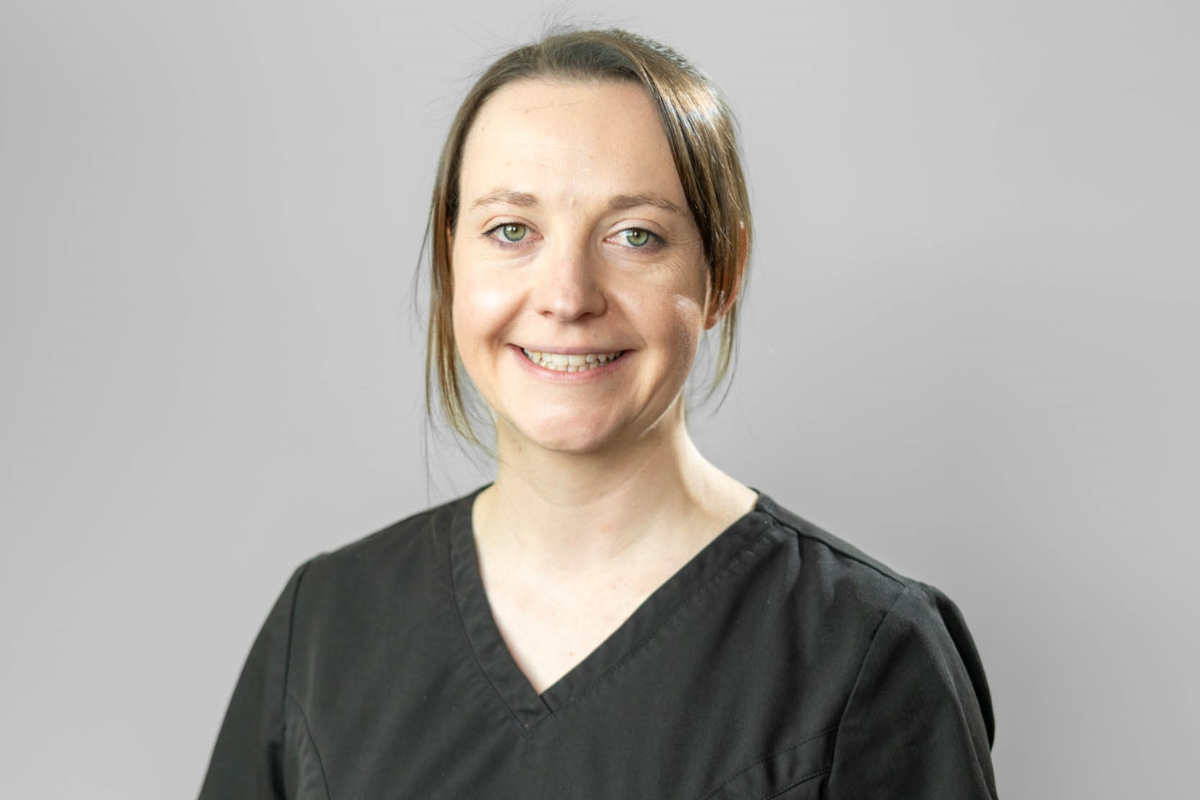
Dr Victoria Hutchings BVSc CertSAS BSc MRCVS Surgical Registrar never set out to become a specialist surgeon – but an unexpected passion for surgery led her on a transformative career path from general practice to referral work. Now a small animal surgical resident at frank. Pet Surgeons, she shares how taking brave career leaps, embracing lifelong learning and building resilience through challenges has shaped her journey so far. From presenting award-winning research on the international stage to mentoring the next generation of vets, she reflects on what truly drives her, the lessons she’s learned along the way, and her advice for those considering a similar route.
Please give a brief summary of your career path so far – feel free to share what motivated your career decisions:
My journey to becoming a small animal surgeon was quite unexpected – I always knew I wanted to be a vet from the age of eight, but I thought that would be in mixed practice and never envisioned becoming a specialist.
I worked in general practice after qualifying from the University of Bristol and found myself exposed to a high surgical caseload, which led me to completing a surgical certificate to improve my skills and knowledge in that area.
I was amazed by the expertise of the specialist lecturers, and I thought to myself I would love to reach that level, but it didn’t seem a realistic option at that stage of my career.
After attending CPD events and spending time at frank. Pet Surgeons in Leeds, I took the leap and joined the team as a surgical intern in 2021 after eight years in general practice.
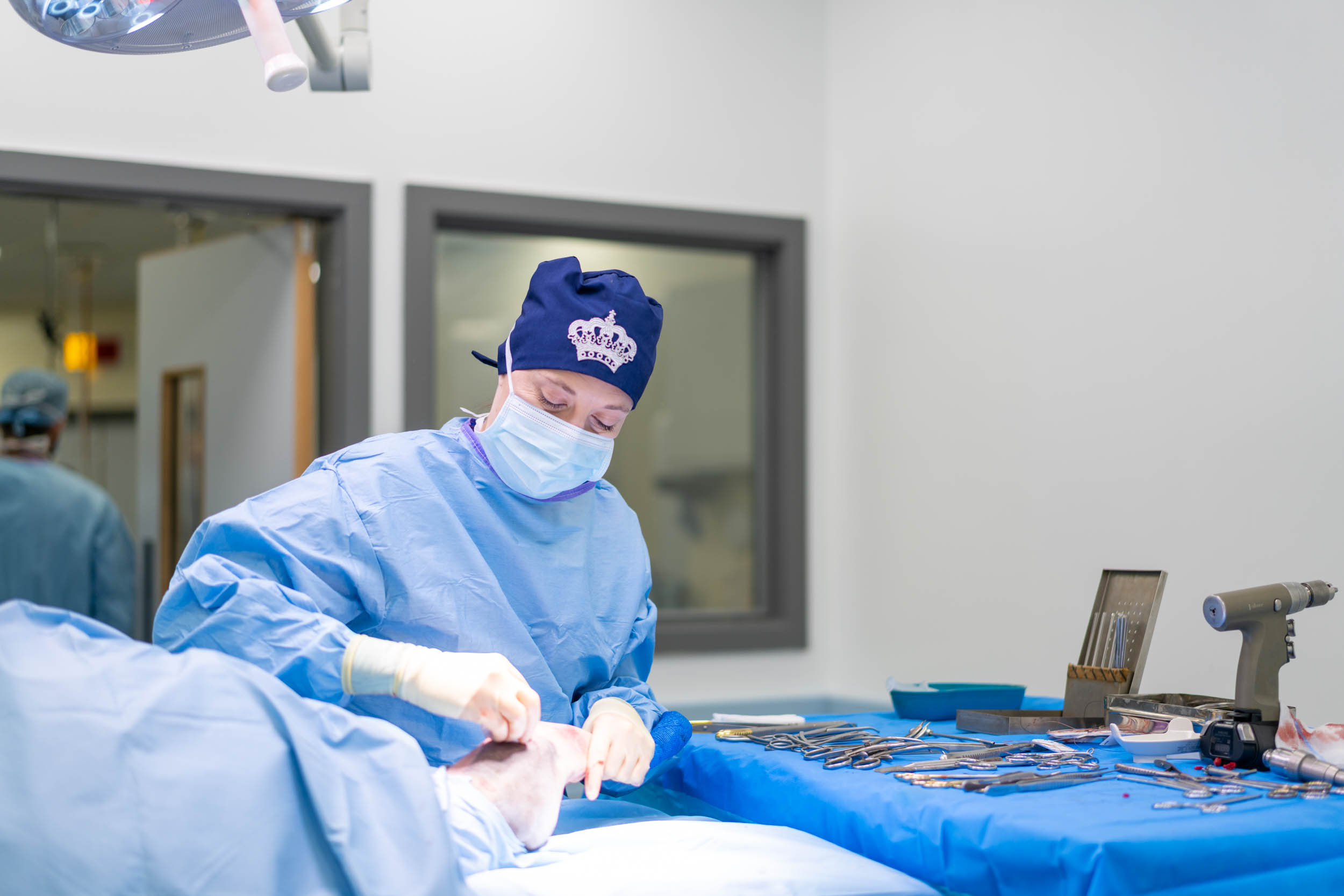
Supported by the team at frank., I started my surgical residency in August 2022 and have had incredible opportunities while completing it. I’ve led my own research project in humeral intracondylar fissures in French Bulldogs which I have presented to the ECVS in Krakow, and was awarded the ECVS Small Animal Orthopaedic Resident Forum Award (2023). I was subsequently invited to speak at the ACVS in Kentucky, and am also a member of the IVC Evidensia Referrals Clinical Board.
What is it about your work that enthuses you and brings you satisfaction?
Helping pets get their quality of life back, while supporting their owners, is incredibly fulfilling. Continual learning and development – whether that’s mastering new, cutting-edge surgical techniques, or refining my ability to critically evaluate evidence to improve patient care – keeps that work challenging and exciting too.
I enjoy being a trusted resource for referring vets and supporting their clinical decision making, as well as mentoring other vets and nurses within the frank. Pet Surgeons team.
I’ve also spent a lot of time on research and seeing that contribute to better welfare and surgical outcomes is deeply rewarding.
What is the biggest challenge to staying passionate in your veterinary career you’ve overcome, and how did you approach it?
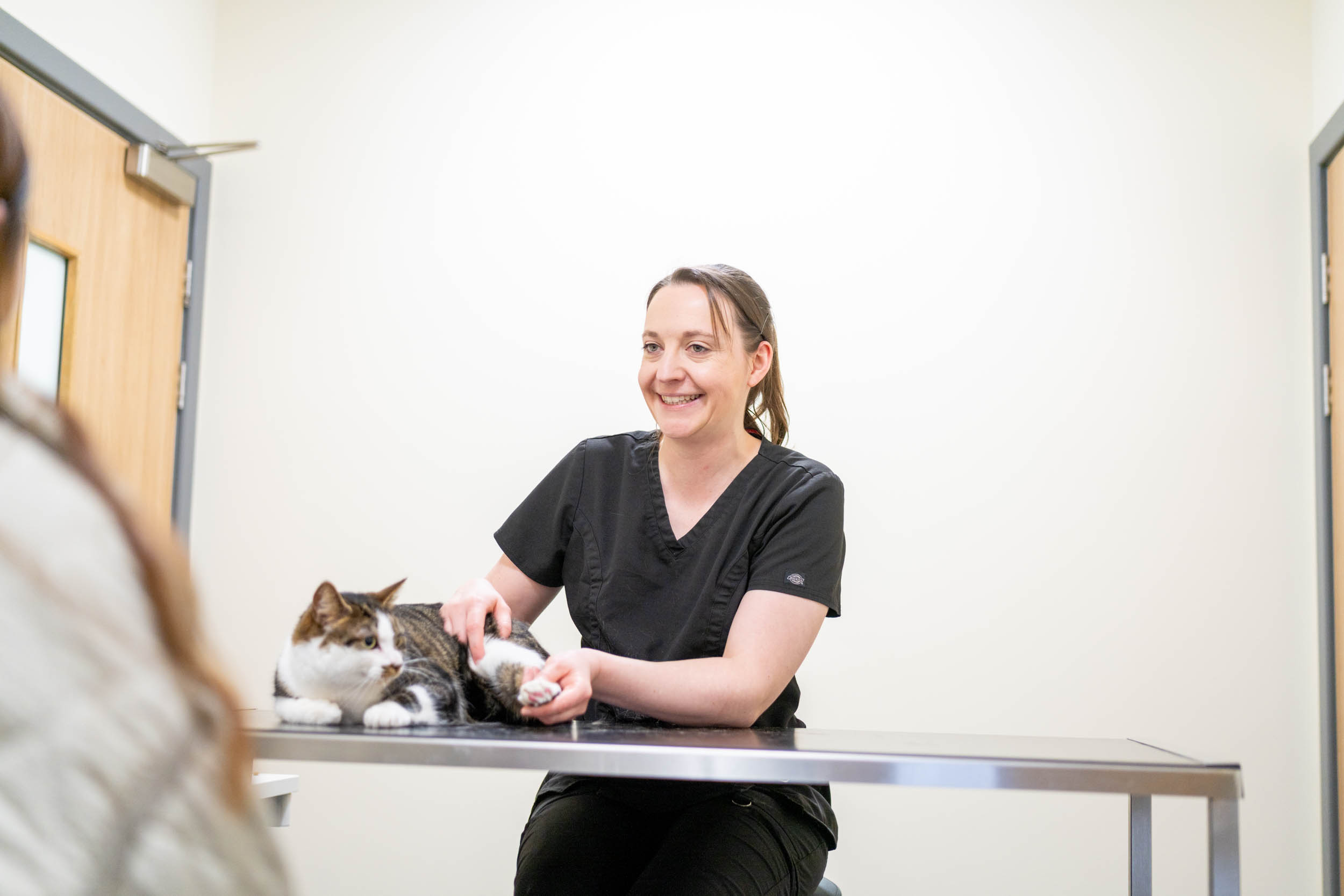
One of the biggest challenges to staying passionate in my career has been managing the emotional and professional impact of surgical complications. Even in the best hands complications are inevitable, but during my training the resulting patient morbidity, client distress, and my own self-criticism could quickly undermine my confidence and fuel imposter syndrome. The instinct is to avoid complex cases, which only diminishes growth and passion.
I have developed a systematic approach to overcome this: openly reviewing each case with senior colleagues, channelling my energy into resolving complications and communicating with clients transparently and empathetically. These conversations often strengthened trust and sometimes led to even closer client relationships. I also lean on my team for emotional and technical support.
Reflecting on cases during morbidity and mortality rounds after initial emotions have settled, has become an invaluable learning experience for the whole team. Over time, I have learnt that resilience involves accepting that excellence carries a cost: the surgeons most able to help are often those who take on the most technically challenging cases. When self-doubt arises, discussing cases with mentors and reminding myself of the many successful previous case outcomes helps me maintain perspective and stay passionate about the work I do.
What advice can you share with others embarking on similar paths about finding fulfilment in their veterinary career?
My advice to aspiring vets would be to welcome new and unexpected opportunities.
The choices you make early on in your career don’t have to dictate your whole future, so take time to explore a variety of clinical environments – first opinion, referral, academia, public health – and speak to people at every career stage before committing to a specialty.
Think about what success means to you personally and which aspects of veterinary work give you the most satisfaction before choosing a training path that aligns both with your values and your vision of success.
Specialist training is demanding, so expect challenges and reframe them as opportunities for growth: every complex case, difficult conversation, or mistake strengthens your skill set if you ask, “What did this teach me?” Focus on what you have achieved as much as areas to improve on and regularly acknowledge how far you’ve already come.
It’s also important to normalise imperfection. You are not expected to know everything; specialists continue learning throughout their careers. Growth comes from taking on new challenges with good mentorship and curiosity.
Surround yourself with supportive colleagues and friends and, most importantly, make sure you allocate time to rest and enjoy activities not related to work.
What best sums up your approach to keeping yourself and your team motivated and engaged within veterinary careers?
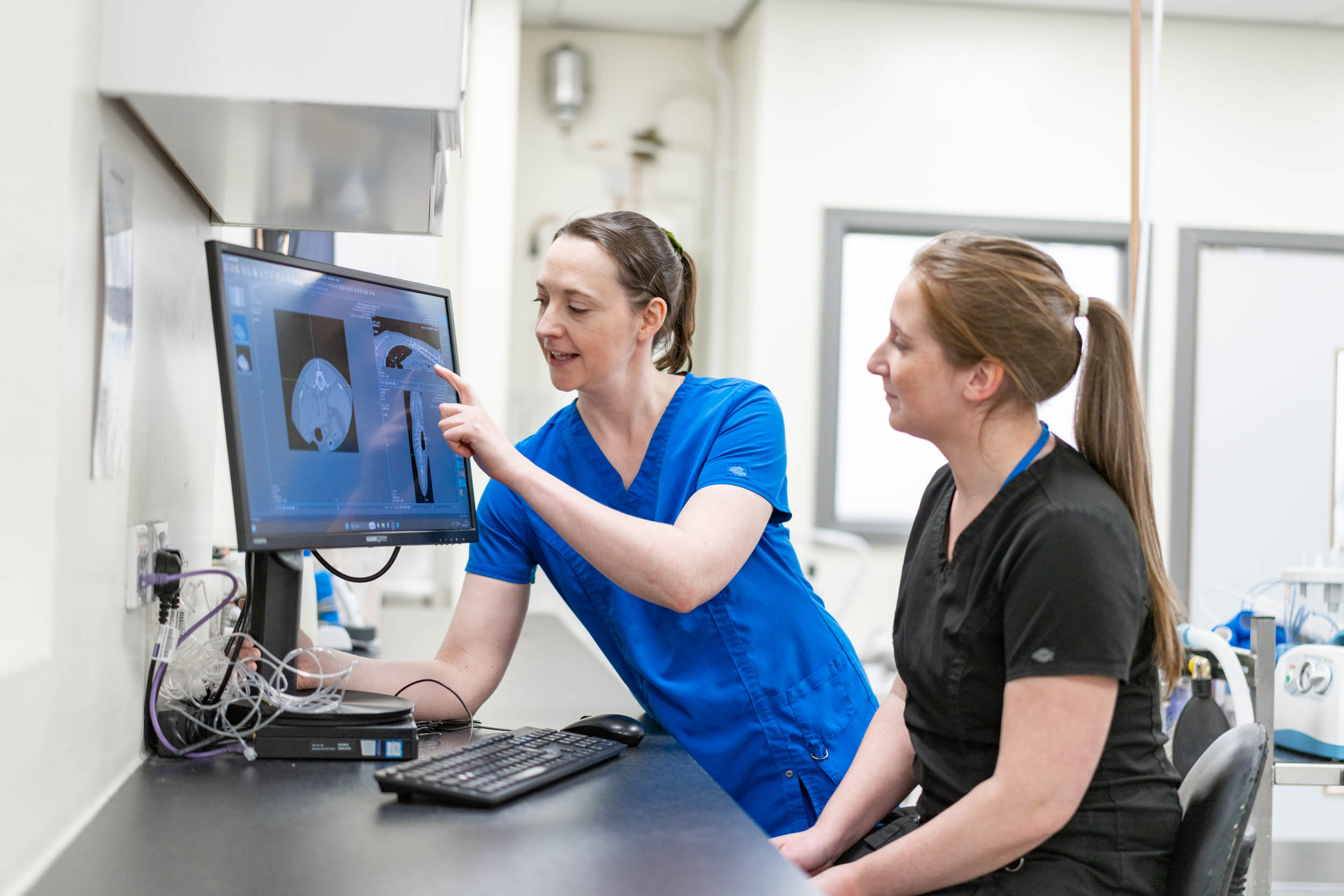
In my experience, fostering a positive and supportive culture built on clear communication, continuous learning and mutual respect is the best way to keep people motivated and engaged. It’s essential that people are able to speak up, ask for help and learn from their mistakes in a safe and encouraging environment.
Leading by example, staying calm under pressure and encouraging ongoing development through practice, presentations and sharing colleagues’ successes is important, as well as taking the time to highlight good work and recognise individual strengths within the team.
What do you feel would most benefit job satisfaction in the veterinary professions, and how could we work towards implementing this?
Job satisfaction in the veterinary profession would benefit from structured and supportive skill development, particularly through formal mentorship for new and recent graduates.
Early career support is critical for building confidence, but it can often be inconsistent. A system similar to medical foundation programmes, where graduates have protected mentorship and regular check-ins, would help.
Alongside this, fostering autonomy with reliable senior support, celebrating clinical successes and regularly sharing positive feedback can reinforce purpose and confidence.
Finally, clearer information about the diverse career paths within the profession would help vets find roles that truly align with their strengths and aspirations.
Don’t forget to sign up to our monthly newsletter for exclusive content and news from Veterinary Woman!

You may also like:
Inspired Vet – Download Issue 5
Inspired Vet Profile – Alison Devonshire
Seven Reflections on Leadership in a Veterinary Career