
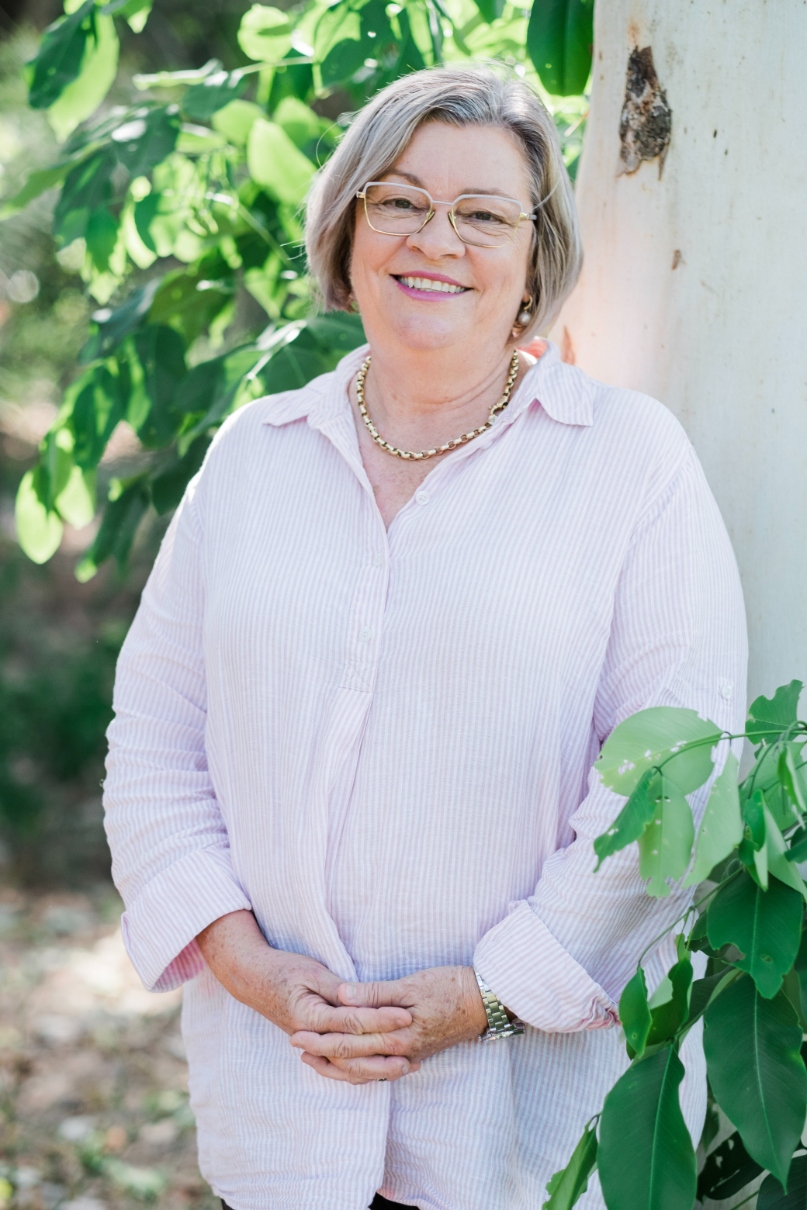
Guest blog from Jocelyn Birch Baker, Director of High Street Veterinary Practice, Queensland, Australia, and Founder of Smooth Operating Vets.
Lets start with this: who said 38 hours is the optimum?
In Australia, it was the stonemasons who first won the eight-hour day in 1856. It was clear to those stonemasons then – as it is clear to us now – that being able to relax, spend time with loved ones, pursue self-directed activity and have freedom from a boss are all essential parts of what it means to be human. Time is life after all.1
Now it is 2023. Is this still the optimum working system? Is it the optimum for employers and employees?
In the vet scene many employers are working side by side with their employees. Maybe a new system would benefit and enable all of us to have a fulfilling career, a good wage and time to be ourselves with family, sports, holidays and social activities.
Is flexibility the answer and what are the benefits of flexibility?
In practice
Let me tell you from my experience at our clinic. Before my team at High Street Veterinary Surgery had families, they loved the four-day week. It worked well. They worked the 38 hours over four days, plus after hours, plus weekend clinic. It fit in with their desire to work hard, learn lots and establish themselves in the profession and in our clinic. And they loved it.
We set time aside for morning tea for everyone to get together, and lunch was one hour. Time was blocked out for the vets to research, do pending clinical files and client phone contact etc. We also paid by the hour, so if by chance we worked later than the finish time, we were paid for it. This actually rarely happened, as we are very organised and if a call came in late it was attended to by the vet on call. The rest of us went home.
For our vets, one had Friday off and the other had Monday off. This gave them the long weekend to go camping, visit family, house hunting, anything that they wanted. Each vet had the trust in the other vets that their cases would be looked after just as well as if they were there. Weekends were great and we shared after hours with another clinic.
Times change
Now I do not have any vets doing this 38-hour four-day week. A couple of my nurses do and they love it, but they have no children yet. Sowhy change if all was going well?Because life happens and people have different requirements and commitments during their lives. Our vets found it was time to start their families.
When starting a family, it is often different for female and male vets. Women need some time off for maternity leave or beyond, and due to our societal expectations, women are still generally the primary caregivers for the children and family.
All of our vets and nurses and support staff are women – about 97 percent of the people in our teams are women, and this is a common reflection of the professions – but all people in our profession would benefit from flexible working.
The advantages of flexible working
Read on for 18 great reasons for flexible working:
1. We keep the amazing vet who has worked with us for years, knows our systems, equipment, clients and patients, because they want/ need a flexible system when they have family commitments. This reduces the costs and drama of recruiting.
2. All of our team know that they are valued, and have the opportunity to work in the career that they love, doing the hours that suit them, if and whenever they need to. This builds loyalty.
3. When we negotiate with our team members, they let us know what works for them and we discuss what works for us. We are the managers and so we are able to manage our clinic to suit our team. Each team member has an individually designed rota and they feel respected and able to manage their other commitments. This reduces stress.
4. Our people work can part-time. They work the hours that they want to and which suit their lifestyle. Our team is not exhausted from work.
5. If they are asked if they would like to pick up another shift, they are more often willing and able to do it. They can pick up an extra shift if needed.
6. We are able to have more vets and they bring more experience and abilities into our clinic. A wider range of skills is available at our clinic for our patients and clients.
7. Our team collaborate on cases and share knowledge and experience, referring to each other for the best outcome of cases. A better outcome for our patients.
8. Our team communicate well with each other and our clients. We have developed systems, templates and bundles so that information flows easily and is quickly understood by all. Everyone is on the same page and our clients know what is happening to their pet at all times. Communication with clients is great.
9. We have 30 minutes appointments so that each client and patient have our full attention and the best options are discussed and the best decisions made. Clients feel valued.
10. Clients understand that every vet, nurse and support member are there because they want to be, they love their work and are not rushed or overwhelmed. Attention is paid to details and things are not forgotten. Clients have trust and confidence in each and every one of us.
11. If a team member cannot make their shift, they know that someone that they totally trust will fill it for them. We are able to rely on each other for support, reducing stress when unwell or on holidays.
12. We have lots of people for social activities of different ages and lifestyles – and so some like to party and others like a picnic. We get to know each other as a whole person, not just a work buddy.
13. We do after-hours. We pay well and have support available at all times. We have challenging and interesting cases which enable our team to learn and grow together. For many families, after-hours is fine because the other parent can be at home with the children. We always fill the after-hours rotas.
14. We have one clinic weekend in two which has no after-hours. Everyone loves this shift and it can be perfect for a new parent to return to, as the other parent can look after the children. Parents want the weekend clinics.
15. We share after-hours with another clinic. This reduced the time spent waiting for a call and increases the number of calls in the time we are on-call. We develop a trusting and professional friendship with other clinics and reduce the time on-call.
16. Listening to our team, I heard that finishing at 6pm was difficult for those with a family to accommodate dinner time etc. We changed it to finish at 5 pm, and do an evening clinic one night a week. Clients and all of our team love it. Clients work too, so they love an evening clinic that is outside of their work times. Again, many families can make use of the other parent to look after the children, so the vets and nurses are relaxed and have the time to develop great relationships with our clients. We provide out of hours care for our clients and they appreciate it.
17. We have a thriving and profitable clinic with a team of happy people. They all know what is expected of them and because they had influence from the start, they know they can deliver, and they do. We have committed people because they designed the system they work in.
18. We are not exhausted, stressed, or tired. The clinic is well managed, with time for everything to be done, and so everything is done well the first time. If something is not done, a message is sent to the next person looking after the patient or client and they will do it. We have time to do things well the first time.
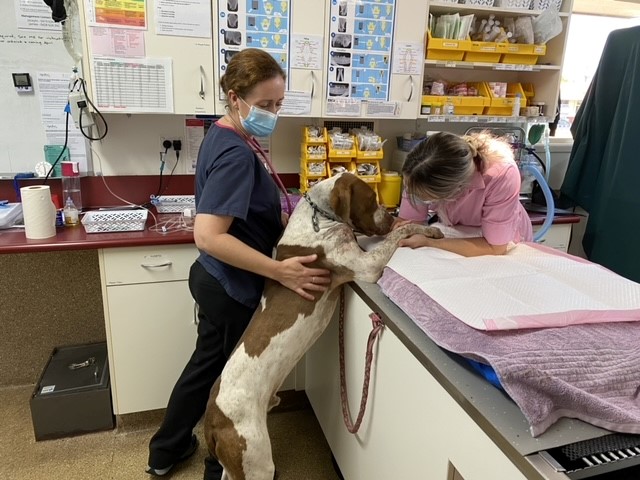
Overall, the benefits of flexibility at our veterinary surgery are less burn out and health issues – and we get to love our profession because we have time to do our work well, relate to our clients, have great patient outcomes, with a team we can rely on.
We need to reassess our old notions of a work week being 38 hours. We need to reassess our old expectations that the vet will work as long as needed. We need to manage our practices so that our people are not overworked and stressed.
This reduces the costs and drama of recruiting.
This builds loyalty.
This reduces stress.
Our team is not exhausted from work.
They can pick up an extra shift if needed.
A wider range of skills is available at our clinic for our patients and clients.
A better outcome for our patients.
Communication with clients is great.
Clients feel valued.
Clients have trust and confidence in each and every one of us.
We are able to rely on each other for support, reducing stress when unwell or on holidays.
We get to know each other as a whole person, not just a work buddy.
We always fill the after-hours rosters.
Parents want the weekend clinics.
We develop a trusting and professional friendship with other clinics and reduce the time on call.
We provide out of hours care for our clients and they appreciate it.
We have committed people because they designed the system they work in.
We have time to do things well the first time.
References:
1Overtime, Will Stronge & Kyle Lewis, Verso 2021.
For exclusive access to more stories like this, subscribe to our monthly newsletter
You may also like:
Flexible working in veterinary practice: is it achievable? An interview with Jocelyn Birch Baker
How to hit your CPD target alongside flexible working
Sustainable Flexible Working in an ‘Always-On’ World