
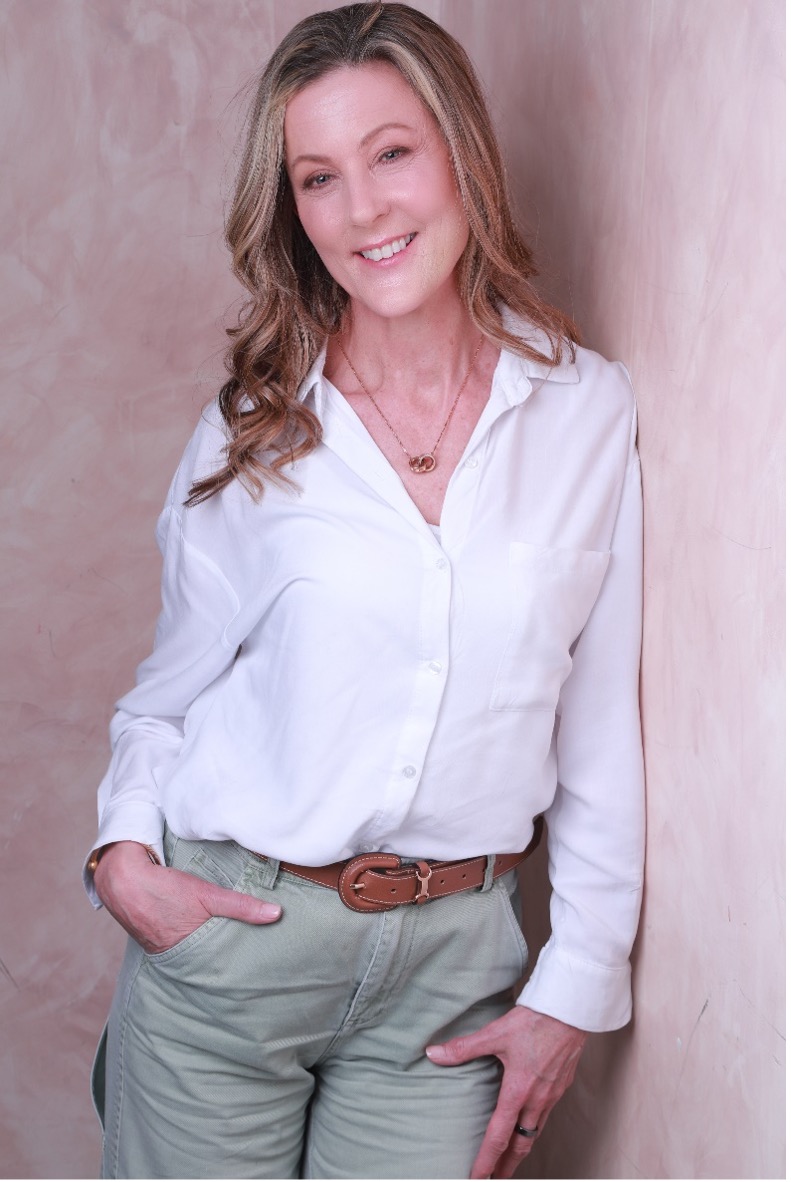
Dr. Laura Woodward is a veterinary surgeon, accredited counsellor, and soon-to-be psychotherapist with a passion for both animal care and mental wellbeing.
Laura’s deep interest in psychology led her to train as a counsellor, specialising in helping vets, nurses, and doctors navigate the unique pressures of their professions. This passion culminated in her book, Mental Wellbeing and Positive Psychology for Veterinary Professionals, a proactive guide to resilience, mindfulness, and self-care in veterinary practice. She continues to balance her roles as a surgeon, psychotherapist, and mother, driven by a commitment to improving the wellbeing of those in the veterinary community.
Please summarise your journey / biography:
I went to University in Dublin which is still the only vet school in Ireland. After graduating, I stayed on at the uni and worked in the surgery department with the most wonderful mentors. After that, I chose to work in the UK, where the standards of care and client expectations were significantly higher than Ireland. I completed the Royal College certificates in imaging and also in small animal surgery which were gruelling. Then I decided to take a break from the veterinary world, and I went backpacking for two years. It was truly incredible wandering around Europe, Africa, Asia and Indonesia and I ended up doing a few ski seasons in Australia and Whistler in Canada.
I came back to the UK and back into small animal practice as a surgeon. I did love this but after a while I got itchy feet again and gave up my job to go to India for 6 months neutering and vaccinating the stray dogs to create a stable, rabies free population of strays. The program I set up in Visakhapatnam is still running 20 years later.
Since India I have been working at Village Vet hospital as a veterinary surgeon, and my itchy feet don’t seem to make me want to leave practice anymore.
I have always been interested in psychology and then I had kids. Watching their minds develop was truly incredible and it awakened my desire to study human behaviour more. I studied and qualified as a counsellor eight years ago and now I have nearly finished my qualification to be a psychotherapist. I specialised in counselling children and adolescents; however, I’ve found myself counselling vets, vet nurses and doctors because they feel understood even before we start the sessions and that helps my clients a lot.
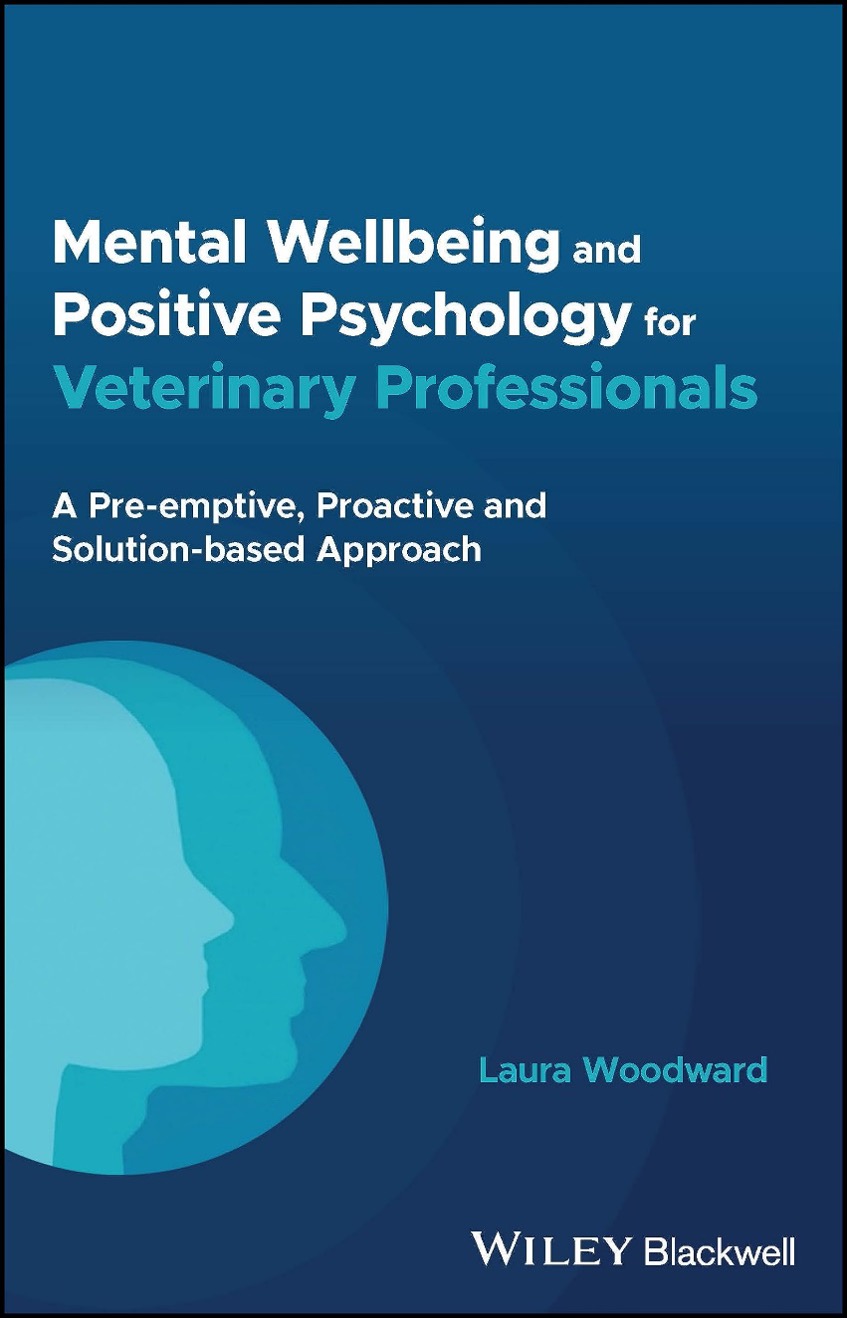
Wiley Blackwell asked me to write a book; Mental Wellbeing and Positive Psychology for Veterinary Professionals: A Pre-emptive, Proactive and Solution-based Approach, after reading some of the articles I have written for VetTimes and Veterinary Practice and that was a labour of love. I’m so proud to have produced this book because I can see the beneficial effect it has on people even if they read half a page a day.
I hope to continue as a surgeon, psychotherapist and above all else, a mum for a long time.
Describe your typical day from waking to sleeping:
No two days are the same for me, which keeps me energised and on the ball. Saying that, my non-negotiable ‘me time’ is at 5am until 6am when I meditate. I do get myself a coffee first (I deserve it and need it).
This time is so precious to me. I’m like so many people I meet in that I don’t feel fully rested unless I’ve had enough sleep. The thought of doing this would have been anathema to me previously. But I tried it many years ago for 20 minutes each morning and I’ve never looked back. It does shock me often how, when the alarm goes off at five that I spring out of bed with a smile on my face even though dawn is hours away. The coffee is delicious, then I sit on my bed (I do sit cross legged but that’s not necessary) and I clear my mind completely before then spending time thinking about what I have decided to meditate on that day. I have literally created this ‘extra’ time so that I can look at my thoughts, emotions and somatic sensations really slowly, and not judge them as wrong or right or something that has to be shut in a box. They just exist. This is how I feel happiness even in the midst of adversity. It’s about acknowledging the adversity and allowing it to exist in my peripheral vision because it’s real, while still maintaining control over my focus instead of letting the adversity take control of me.
After that, I spend time with my teenage kids before work, school etc. and there’s generally some loud music playing in the kitchen with my son making his breakfast and my daughter somehow getting homework done in time to the beat.
I work two days a week as a surgeon at Village Vet Hospital Hampstead which is all-consuming for those days. I love this hospital and the work we do. Standards are high, the stakes are always very high, and we do amazing work as a team. There is so much respect and positive regards amongst team members. Everyone is working really hard. My nurses are off the scale in the standards of care, knowledge and cohesive way of working as soon as they qualify. Yes, the training is gruelling, but I believe that we turn out the very best nurses in the country.
After my long shift, I’m spent. I drive home listening to meditation music and focusing on my breath so that when I get home, I’m chilled out and I’ve digested the hectic day.
Other days, I run my own counselling business. I am an accredited counsellor and will soon be qualified as a psychotherapist as well. These are very different job descriptions. My diary will be full of one-to-one therapy sessions which are usually each about two hours long. This is longer than a ‘normal’ counselling session which is 50 minutes long. I work this way because when a vet or nurse or doctor gets a day off and our session is on this precious and rare day off, we want to get as much done as possible. My clients often say they feel that they’ve run a marathon after a session (in a good way).
I also run group therapy and wellbeing sessions for full practices or groups of people in practices, and many of these are with groups of doctors in a particular department who work in a team.
I love going to the gym and manage this twice a week or so for a high intensity class with sprinting, weights and boxing all rolled into one.
Beng outdoors always makes me happy even if it’s raining, so walking with my friends or going for a run in the green belt outside my back door are very precious times to me.
I need my sleep and I’m not superwoman, so I aim for a crazy early bedtime of nine, when my daughter usually hits the sack too.
How would you describe yourself in a sentence?
Kind, upbeat, interested in others.
How would others describe you in a sentence?
I asked those close to me and the answers were fairly similar to how I describe myself. My kids describe me as ‘uncool but inspiring’ and some of the people at work described me as ‘motherly’ which made me feel really old.
What has been your top success and what have you learned from this?
I suppose my top success really has been writing ‘Mental Wellbeing and Positive Psychology for Veterinary Professionals’ and doing the speaking gigs at veterinary conferences. My passion is surgery and I’m never happier than when I’m in the middle of a big fracture in theatre, however, I know that I have helped others to achieve at least a bit of wellbeing if not a lot from therapy, my book and the speaking at events. reaching many people all at the same time.
I learnt that as well as ‘you can be whatever you want to be’: doing things which benefit others brings me a huge sense of purposefulness and happiness. I am donating all the royalties from ‘Mental Wellbeing and Positive Psychology for Veterinary Professionals’ to VetLife and a fund for free of charge therapy for vet nurses in crisis.
What has been your biggest challenge, setback or failure and how have you overcome it? How did you grow or change as a result?
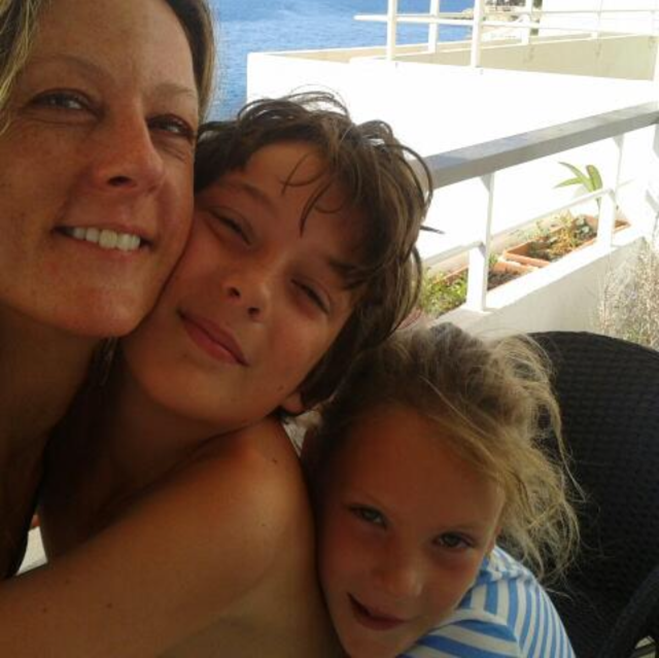
My biggest challenge has been raising my two children by myself. I decided to not ‘get through it’ or to ‘cope’ but to bite the bullet and to make this the best period of our lives. Children are phenomenal in their pure desire to just be happy and carefree, and I know we managed to make that happen. We have laughed our way through this last decade despite all its challenges and we are so tight and so strong. They have grown into incredible young people right before my eyes and remind me every day that being empathic, honest and mindful of the coexistence of adversity and happiness at the same time is the key ingredient to living a joyous life.
What compromises have you had to make and what, if anything, could have helped?
I had to reduce my working hours to care for my children. This was the right choice however it has been tough economically. My social life was on hold for 10 years as well, but now we all go out at night to gigs, parties and to meet friends and I’m definitely making up for lost time, because the time is right for the three of us now.
My work was very supportive of me throughout this difficult journey, and this helped enormously.
What advice would you have given to your younger self, that you would now give to others wanting to follow your path?
It’s bizarre but I really think that you can be whatever you want to be. If you want to be a surgeon, learn everything about surgery, practice on cadavers for hours and hours, perfect your techniques, go to all the CPD even if you have to fund it yourself, see practice with the best and choose your employment wisely.
My English teacher (in convent school in Ireland) told me that I would never be able to string an essay together. She might be right about the essays, but I did manage to string my book together.
My careers advisor (same school) looked at me in horror when I told her what I wanted to study and said (aghast), “Don’t be silly child, women can’t be vets”.
I couldn’t have got where I am today without…
Meditation and mindfulness. It’s not woo-woo or rocket science. It’s surprisingly simple and easy and I’m grateful every day that I met my Sri Lankan Buddhist monk friend when I was in a crisis, and he started me on this path.
What are your three top likes?
Live music, fresh air and chocolate
What are your three top dislikes? (This can be anything from learner drivers and traffic queues, to cliched advice you hear).
Unkind people, neck pain, and the autumn hour change
What is the most helpful book you’ve read and why?
Daily Doses of Wisdom, edited by Josh Bartok. 365 bite sized pieces of Buddhist wisdom written by real people. Its literally food for thought and so easy to dip in and out of. This was inspirational for me when I wrote ‘Mental Wellbeing and Positive Psychology for Veterinary Professionals’ in that I wanted to make sure it was not the kind of book to be read cover to cover, but more a book to also dip in and out of for small bits of insight and help.
Mental Wellbeing and Positive Psychology for Veterinary Professionals is a practical guide focused on promoting mental health and resilience in the veterinary field. Written by Dr. Laura Woodward, a veterinary surgeon and accredited counsellor, the book offers effective strategies like mindfulness, meditation, and positive psychology to help practitioners manage common challenges such as anxiety, burnout, imposter syndrome, and compassion fatigue. With real-life case studies and actionable tools, the book provides a proactive, solution-based approach to fostering mental wellbeing for veterinarians, veterinary nurses, practice managers, and students, aiming to create a healthier workforce in the veterinary profession. All the proceeds of Dr. Laura Woodward’s book will go to the Vetlife charity. Vetlife is an independent Charity that provides free and confidential support to anyone in the UK veterinary community who has emotional, health or financial problems.
Kirstie Pickles has reviewed Mental Wellbeing and Positive Psychology for Veterinary Professionals by Laura Woodward in a recent article. Read Kirstie’s review for an insightful summary of the book’s key messages.
Many thanks to Dr Laura Woodward for sharing her story to inspire veterinary women to aspire and grow into their full career potential.
If you would like to share your story please get in touch at info@veterinarywoman.co.uk
For exclusive access to more stories like this, subscribe to our monthly newsletter
You may also like:
Veterinary Woman Role Model Profile: Tara Evans
Veterinary Woman Role Model: Suzie Armstrong
Veterinary Woman Role Model: Kelly Eyre