
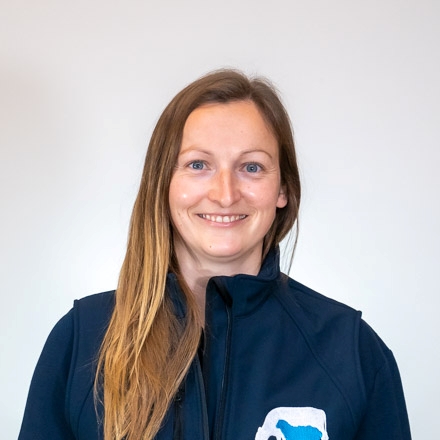
Mel Julian is a senior farm veterinary surgeon at Cross Counties Farm Vets, based in Leicestershire and Northamptonshire, which is part of VetPartners – group of veterinary practices and animal healthcare businesses led by vets.
Growing up on a small Somerset farm and going on to become a senior farm veterinary surgeon, Mel Julian’s career reflects the resilience, leadership and determination that continue to shape modern farm practice. In this Veterinary Woman role model profile, she shares honest reflections on confidence, mentorship, navigating change within practice and why women should feel confident putting themselves forward within agriculture and farm veterinary work.
Please summarise your journey:
I grew up on a small suckler and sheep farm in Somerset, and from a very young age I wanted to be outside, helping my dad and getting stuck in with the animals. I loved lambing and was always pestering to be involved, so it felt natural to turn that love of animals, farming and the outdoors into a career.
I was fairly set on becoming a vet from a young age and was lucky to have a very practical, agricultural education too, including agriculture and horticulture at GCSE and animal management alongside my A levels. Having been determined and working hard to get the grades (which didn’t come naturally) I secured a place at The Royal Veterinary College. As the first in my immediate family to go to university and last more than a term, I probably didn’t appreciate what a big step that was at the time.
Following graduation in 2014 I started a job in a mixed practice north of Bristol, where I stayed for about 20 months before heading off travelling. Whilst travelling I spent some time working on a stud farm in New Zealand, as well as exploring areas of southeast Asia, Fiji and Australia.
On my return to the UK in 2017 I joined Broughton Vets, initially in a mixed small animal and farm role, but over time realised farm work was where my heart was and moved into a senior farm vet role after we joined the VetPartners group.
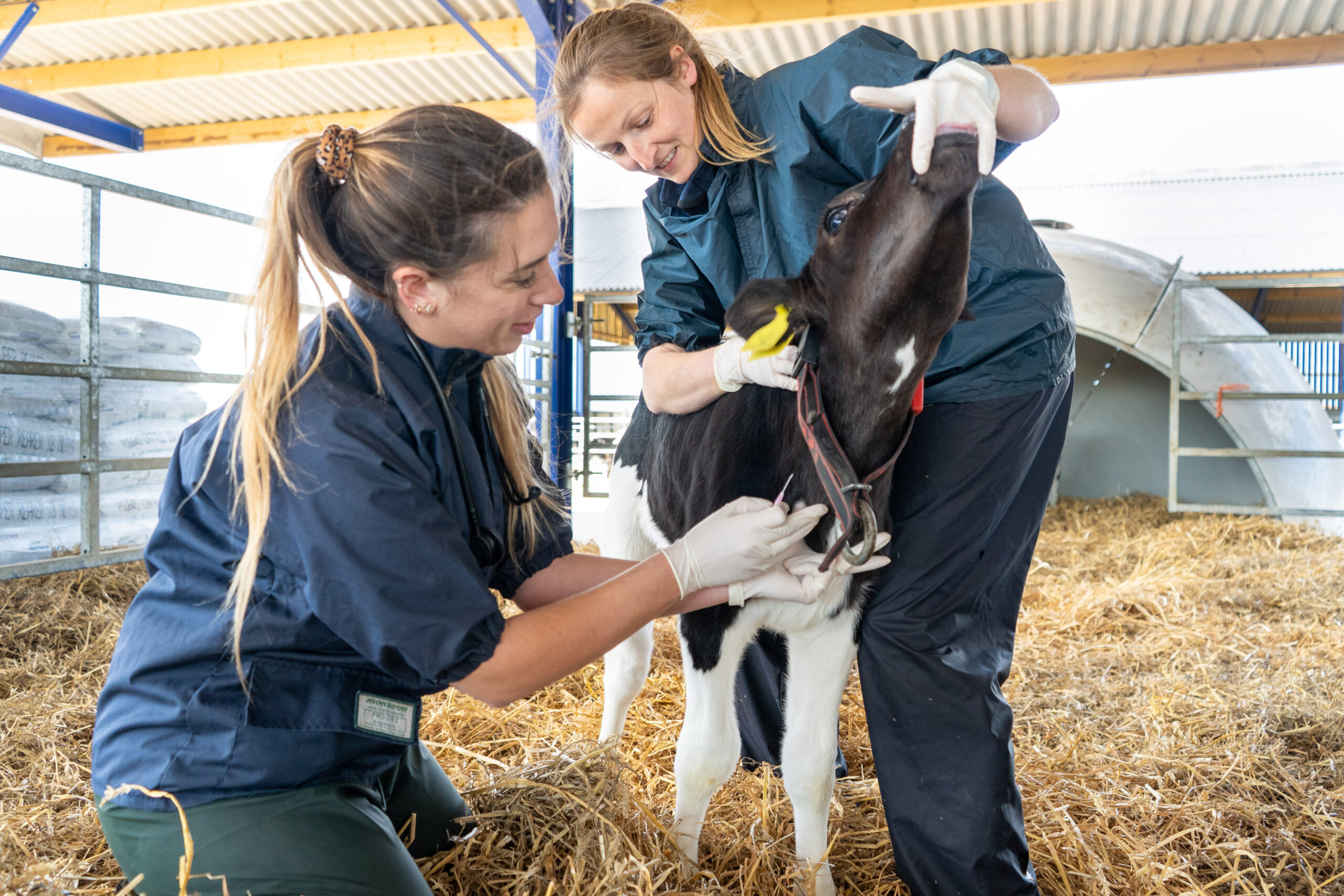
Since we became Cross Counties Farm Vets, I’ve continued to support younger vets, help lead the team and develop the farm side of the practice. I completed my cattle certificate in 2024, sit on the VetPartners clinical board, and have been involved in wider projects including a caesar audit and industry discussions.
Describe your typical day from waking to sleeping:
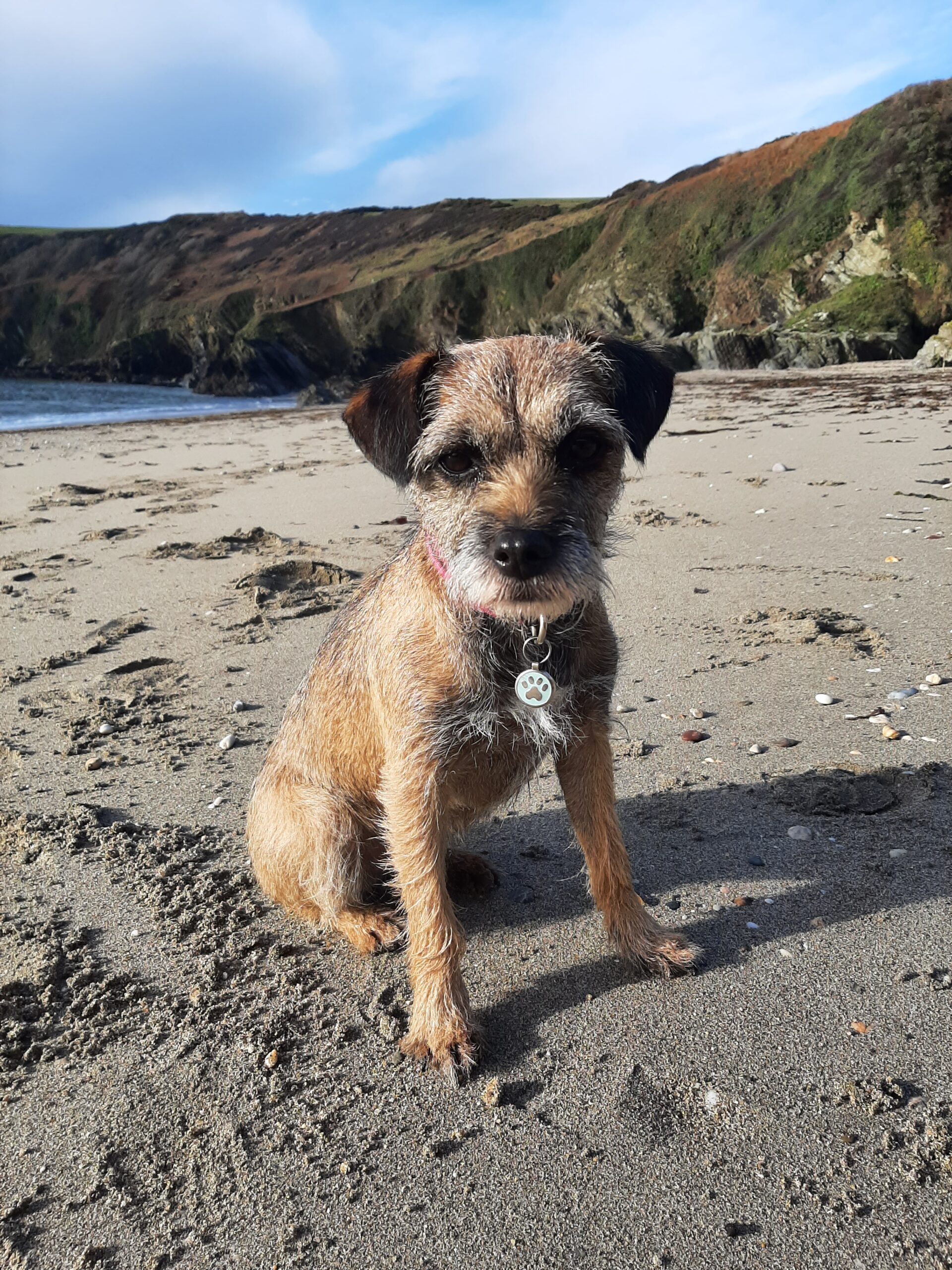
No two days are the same as a farm vet. Some mornings begin early, heading straight out to farm, while others start with breakfast, walking my border terrier, Twiglet, and then going into the office before visits.
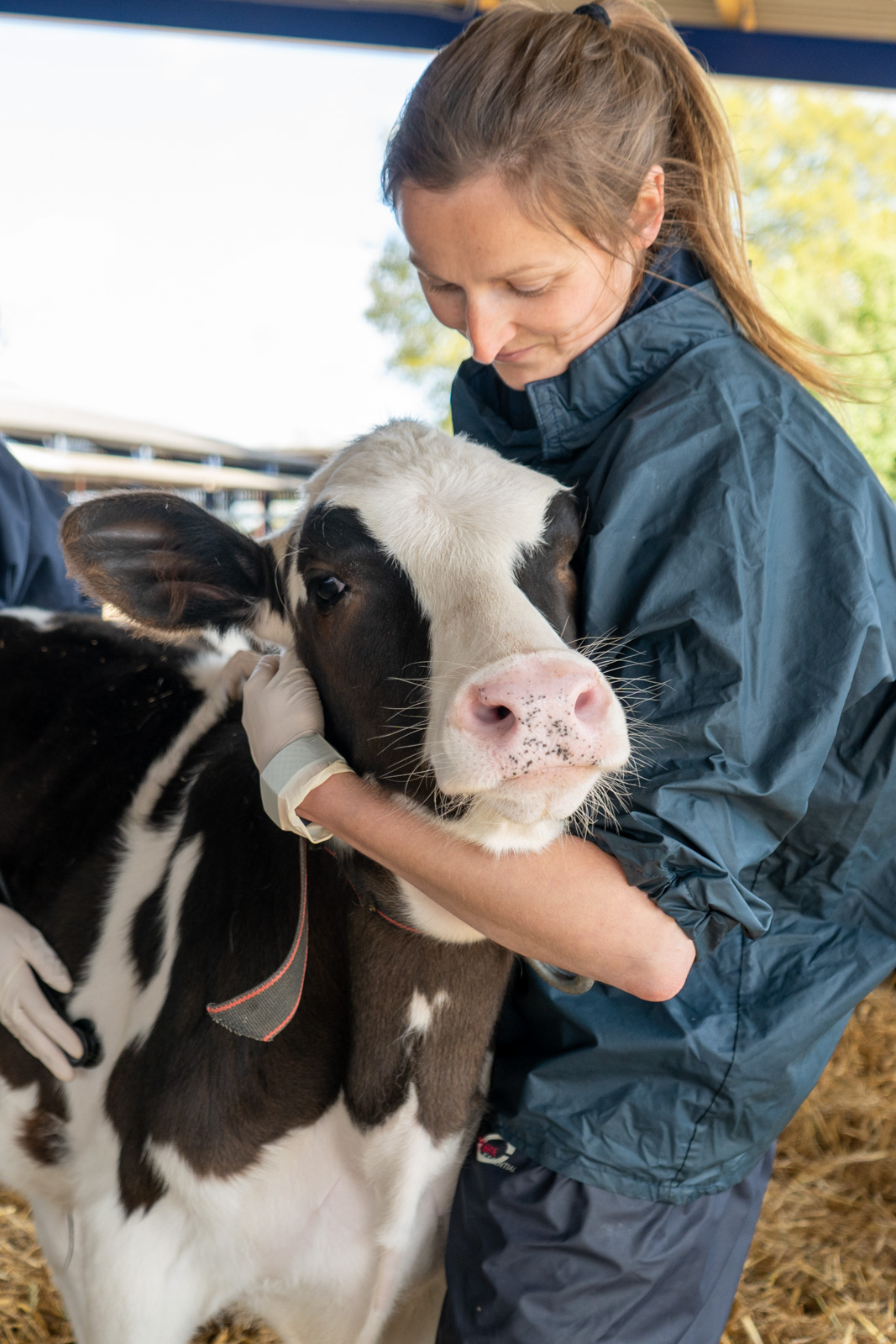
A lot of my pre-booked work is routine fertility visits with dairy clients, including scanning and wider herd health conversations. There can also be a range of other things like TB testing, emergencies, bull fertility testing and castrations. Being ambulatory involves a lot of travelling, which I quite like because it gives me a bit of mental space in the countryside between jobs.
Afternoons are usually when we take the time to write up that morning’s visits, complete paperwork, report lab results and respond to clients. Because I have senior and line management responsibilities, part of my day is also spent answering questions from the team, dealing with queries, and providing guidance and mentorship.
I also try to fit lunch in somewhere, even if that is occasionally sitting in a lay-by.
My evenings usually involve sport or exercise of some sort, walking Twiglet again, or being on call as part of the farm rota.
How would you describe yourself in a sentence?
I would describe myself as determined, organised, always busy and someone who likes to keep learning and trying new things.
How would others describe you in a sentence?
I asked my colleagues this one. They said I’m hardworking, inspiring, fair but firm when needed, and often their go-to person for advice, problems or support.
What has been your top success and what have you learned from this?
One of my top successes has been completing my cattle certificate, particularly because I came from a mixed practice background and wanted to strengthen my knowledge and confidence as a farm vet.
It took a few years to complete, partly because it ran alongside a lot of change within the practice, including merging teams and developing the farm side of the business. However, that made finishing it even more rewarding.
The certificate helped me to question things more, not simply accept information at face value, and look more closely at the evidence base behind what we do. It also helped me understand how that evidence can be applied practically on farm, in real situations with real clients.
Winning the VetPartners Vet of the Year award was also a very special moment, because it felt like recognition for the work I have put into the practice and the wider team.
Both achievements have reminded me that development is not a one-off milestone. It is something you carry into day-to-day work, whether that is supporting clients, improving practice processes or helping younger vets build their own confidence.
What has been your biggest challenge, setback or failure and how have you overcome it? How did you grow or change as a result?
One of the biggest challenges I’ve faced has been navigating significant change within the practice. When I joined, the practice was going through a very difficult time following the sudden loss of one of the partners. Since then, there have been further major changes, including becoming part of VetPartners, changes to out-of-hours provision, and the farm team merging to become Cross Counties Farm Vets.
Although these changes were needed and have ultimately put both the farm and small animal teams in a much stronger position, the process was not always easy. Some clients struggled with the changes, particularly around out-of-hours care, and it was difficult to see the impact that negative comments and misunderstanding had on the team.
As a practice, we got through it by sticking together, keeping communication open and continuing to explain why the changes were necessary, both for the team and for animal care.
For me personally, it helped develop my leadership skills. I learned how important it is to have difficult conversations, support people through uncertainty and maintain a positive outlook, even when things feel challenging behind the scenes.
What compromises have you had to make and what, if anything, could have helped?
The main compromise for me has probably been around the use of time. Getting into vet school meant doing a lot of placements and extra work to build experience and stand out during the application process. Later, completing my certificate also required a lot of my own time, often outside normal working hours.
Those choices were worthwhile, and they were decisions I made because I wanted to progress and become better at what I do. However, they inevitably meant giving up time that could have been spent on hobbies, seeing friends or simply switching off.
I think that is one of the realities of building a veterinary career, particularly if you want to take on additional qualifications or responsibilities. Having a strong support network helps, as does being surrounded by people who understand why you are doing it.
Over time, I have also learned the importance of protecting some time for yourself, because you cannot keep giving your best professionally if you never make space to recharge.
What advice would you have given to your younger self, that you would now give to others wanting to follow your path?
Don’t be afraid to ask questions. When I was younger, I was quite shy and often worried about sounding silly, whether that was in CPD, in practice or around more experienced people.
I would tell my younger self to be braver about putting my hand up, reaching out and building networks beyond my immediate practice.
Most people are supportive, and asking questions often opens doors, builds confidence and leads to opportunities you might not otherwise have had, so be brave enough to make yourself heard.
“There are so many women doing brilliant work in agriculture now, and everyone brings something different to the table.“
As a woman in agriculture, what would you say to other young women looking at careers within the sector?
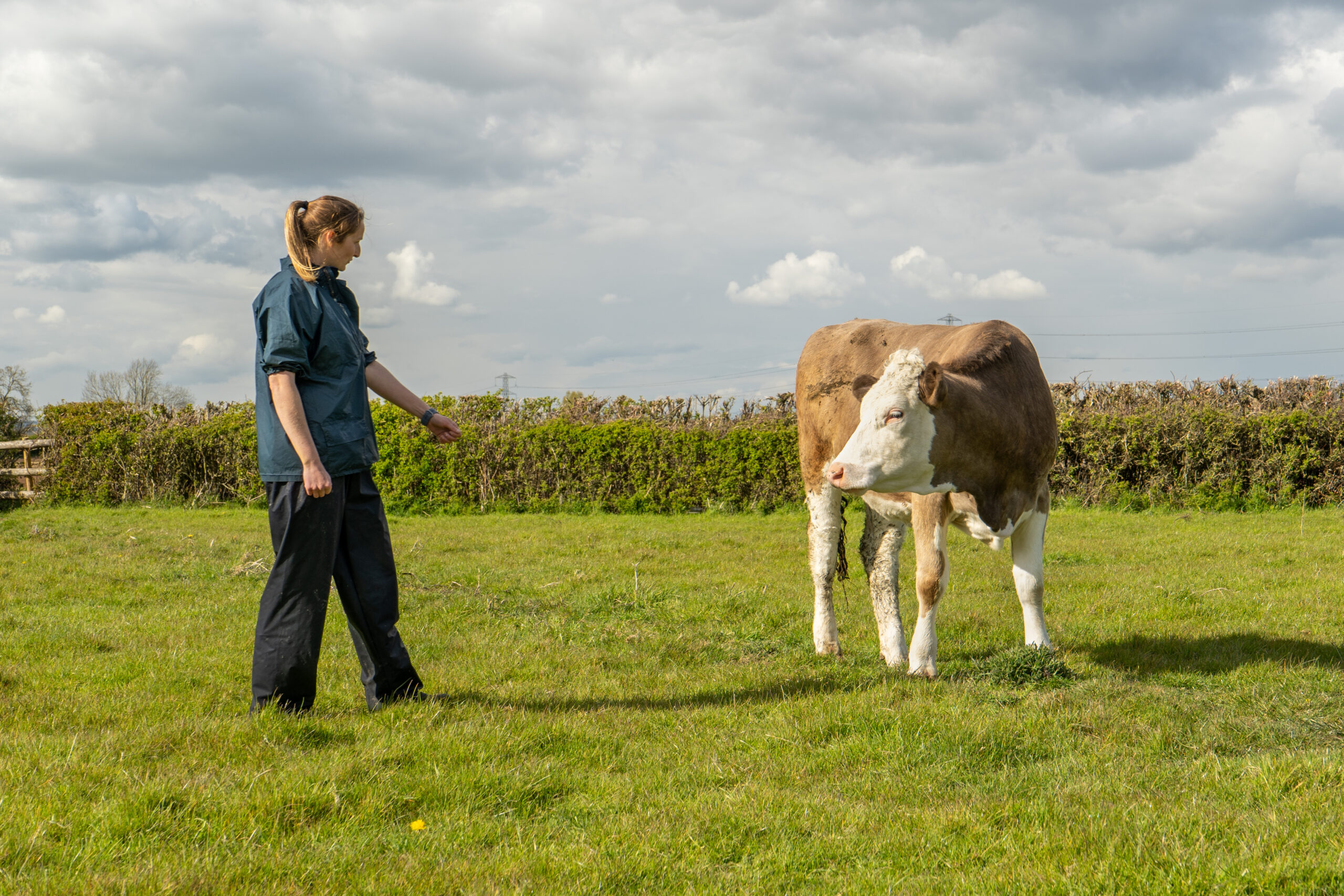
Farm veterinary work and agriculture have historically been male dominated, but that is changing. In our practice, we are predominantly female and have been for some time, and many of our farmers are very used to working with female vets.
That said, there are still situations where women can feel like they have to prove themselves, or where old assumptions remain. I think it is important that women coming into farming, farm veterinary work or agricultural leadership roles are not put off by that. There are so many women doing brilliant work in agriculture now, and everyone brings something different to the table.
The idea that strength is the deciding factor doesn’t really hold up anymore. There is usually equipment, technique or another way around a practical challenge. The most important thing is knowledge, confidence, communication and being willing to get involved.
My advice to women considering this path would be to go for it, put yourself forward and trust that you have something valuable to contribute.
What would you say is the most rewarding and valuable aspect of your role?
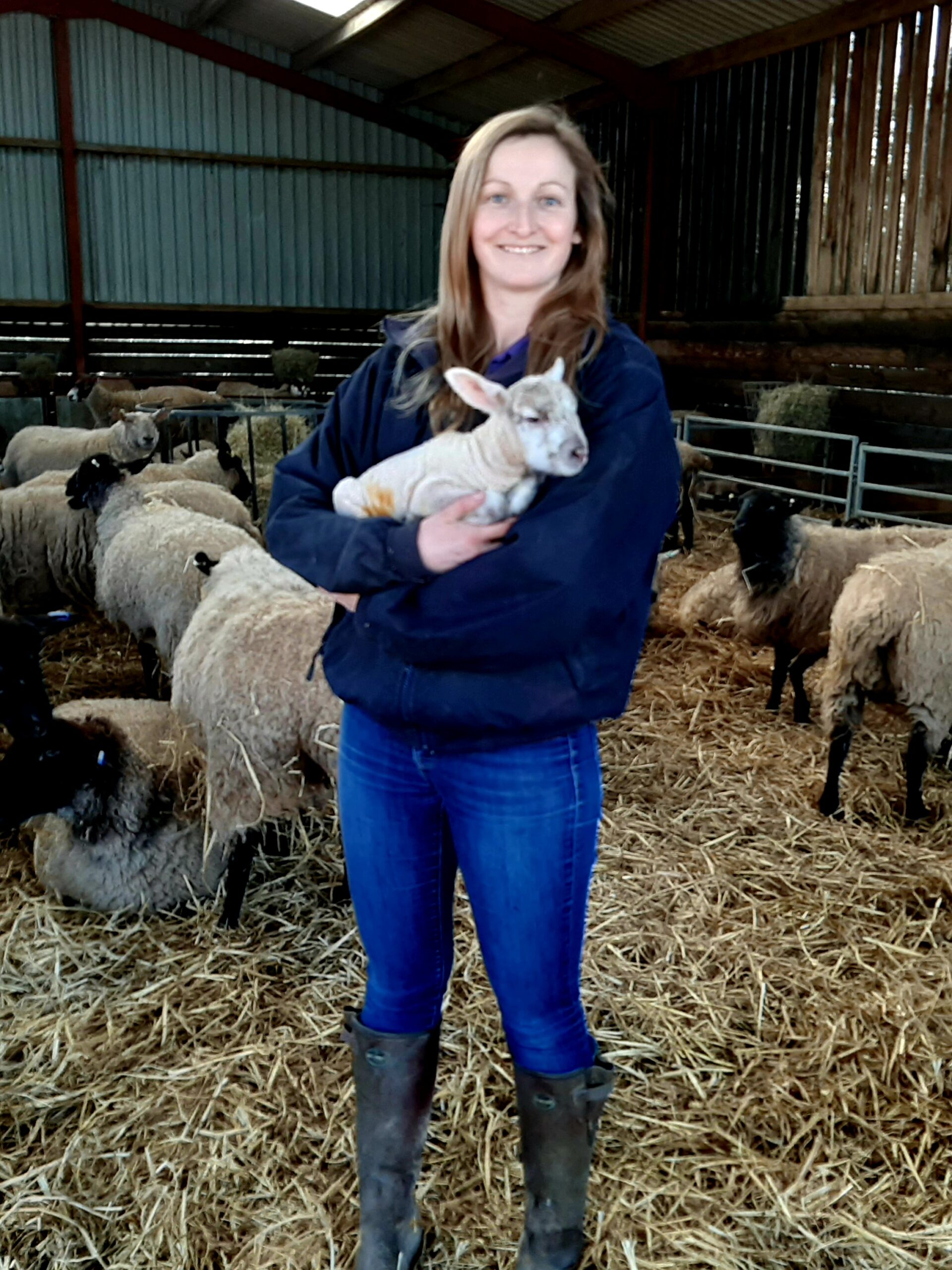
One of the things I value most about farm practice is the relationship you build with clients and the wider rural community. With farm work, you often get to know the farm, the family, the herd and the bigger picture of what they are trying to achieve. That continuity makes a real difference, both to the advice you can give and to the relationship you build.
There is also still a strong sense that vets are part of the local community. We have opportunities to speak to groups such as Young Farmers and the WI; I recently gave a talk about being a farm vet to the local WI, which led to lots of really good questions and conversations.
That community connection is something worth protecting. Farming can be demanding and sometimes isolating, and vets are often trusted people who understand both the animals and the pressures around the business. Being part of that wider network is one of the privileges of the job.
I couldn’t have got where I am today without…
My husband, family, friends and wider support network. They helped me get to vet school, drove me around to placements, supported me through the course and have been there during the more difficult parts of the job too.
Professionally, I also couldn’t have got here without people who believed in me. In particular, Hannah Morrison had a big influence on my career when I first started here. She pushed me, trusted me and gave me the confidence to take on more responsibility within the farm side of the practice.
What are your three top likes?
- Being outside and being active.
- Cows, because they are amazing creatures.
- A good cup of tea, because it fixes most things.
What are your three top dislikes?
- Clutter and unnecessary mess.
- Inefficiency, especially when something could be done more simply.
- Fully skimmed milk. There is no need for it.
What is the most helpful book you’ve read and why?
I tend to read to switch off, but two books stand out for different reasons.
I’m currently reading Black Box Thinking by Matthew Syed. It’s really interesting, looking at how we deal with failure, feedback and processes, which feels very relevant in veterinary work, where reflection and improvement are so important.
The other is Greg James’ All the Best for the Future. I enjoyed it because it challenges some of the expectations we absorb about how life ‘should’ look. It made me think differently about rest, productivity and the pressure to fill every day with achievement. Sometimes a day off can simply be a day for yourself, and that is okay.
Mel can be contacted at: mel.julian@ccfarmvets.co.uk
You may also like:
Veterinary Woman Role Model – Lucy Williams
Inspired Vet Article – How to become a better farm vet through building relationships
Veterinary Woman Role Model: Anna Jones