
A guest blog by Amanda Marshall taking closer look at the struggle for practical and comfortable workwear for female vets
Veterinary medicine is a demanding yet rewarding vocation. However, female vets face unique challenges when finding practical and comfortable workwear. In this article, I aim to look at the significance of practicality and comfort for female vets and shed light on some of the daily challenges impractical and uncomfortable workwear can bring . I also want to explore some alternative workwear designs that have the potential to prioritise their needs, making their working lives easier and more efficient.
The practical struggles for female vets
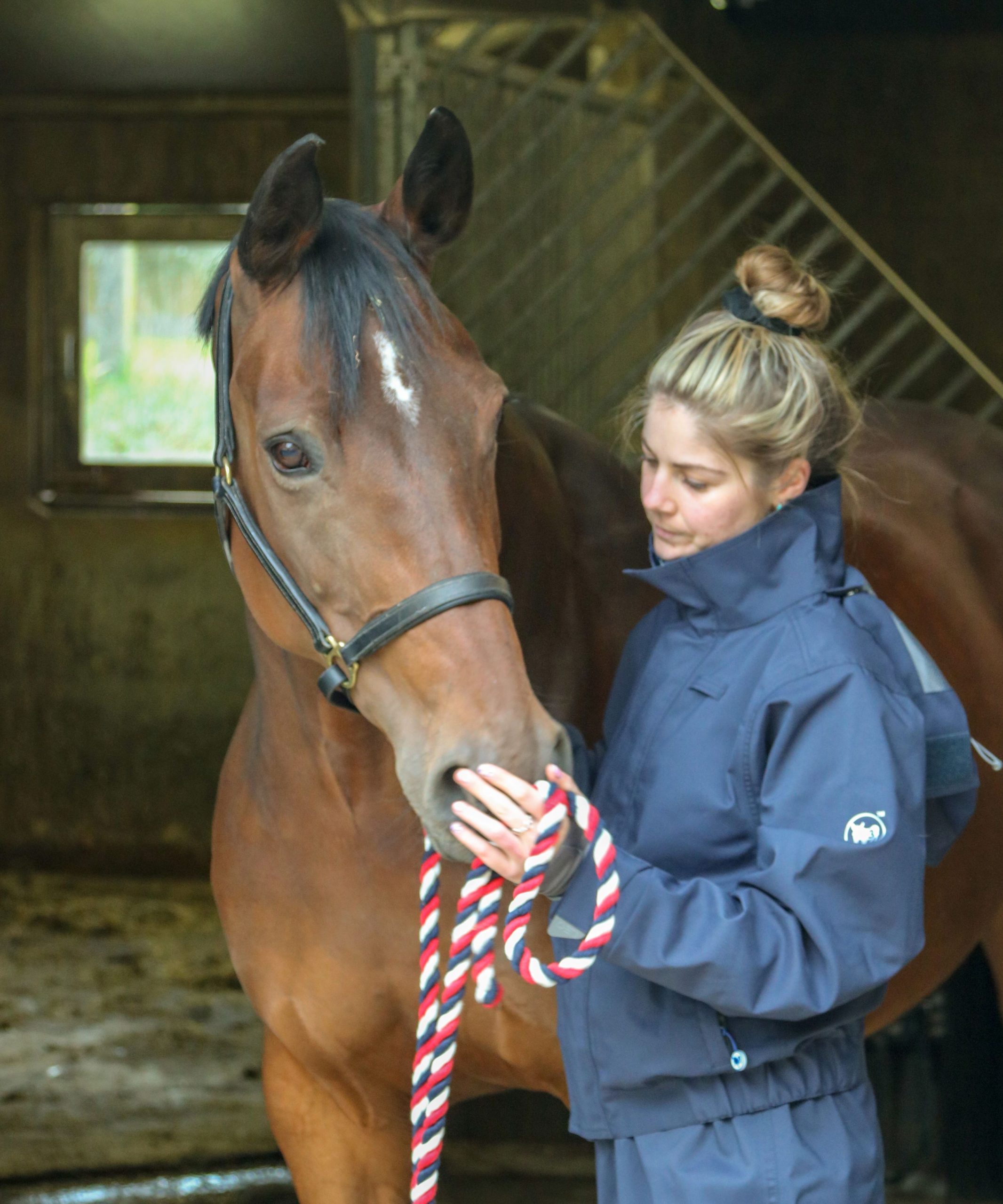
In recent decades, the veterinary profession has seen significant transformation. Traditionally, veterinary medicine has been male-dominated, but now more women are entering the industry, accounting for almost 60 per cent of practising vets registered with the RCVS.1 While this trend is positive, it’s highlighted the struggle to find appropriate workwear.
Any vets working in outdoor environments need to deal with unpredictable weather conditions. Not only that, but vet life can be messy, handling animals of all sizes, dealing with bodily fluids of all kinds, and performing surgery or administering medical treatments in varied environments. So, when it comes down to it, properly fitting protective clothing is a necessity, not just a bonus.
But traditional workwear often falls into the ‘one-size-fits-all’ bracket, which is a long way from meeting the specific needs of women in this profession. This challenge is especially true for large animal or equine vets, where poorly designed workwear can be cumbersome, difficult to handle, and unsanitary when accessing clean washing or toilet facilities.
Ill-fitting overalls, a lack of functionality, and limited options have long been concerns, leaving female farm and equine vets struggling to find good quality, practical workwear.
Maximising comfort and prioritising professionalism
Comfort is vital for any professional working long hours, but it takes on added importance for vets. Female vets engage in physical activities that demand flexibility and ease of movement. Ill-fitting or uncomfortable workwear only increases these challenges, putting them at risk of discomfort and tiredness and potentially impacting patient outcomes.
There needs to be more than that conventional one-size-fits-all approach. The male-dominated workwear that females end up wearing through lack of alternatives will highlight the obvious differences between the female and male physiques that make these gender-neutral garments so uncomfortable and impractical. For example, women have hips and generally have shorter arms and legs.
But while comfort is essential to any workwear, vets must also maintain a professional appearance, especially when dealing with new clients. While no longer a male-dominated sector, female veterinary professionals can still face stereotypes associated with their appearance, with some clients assuming that women may be less capable or less experienced. Inadequate or unprofessional workwear can unintentionally reinforce these stereotypes.
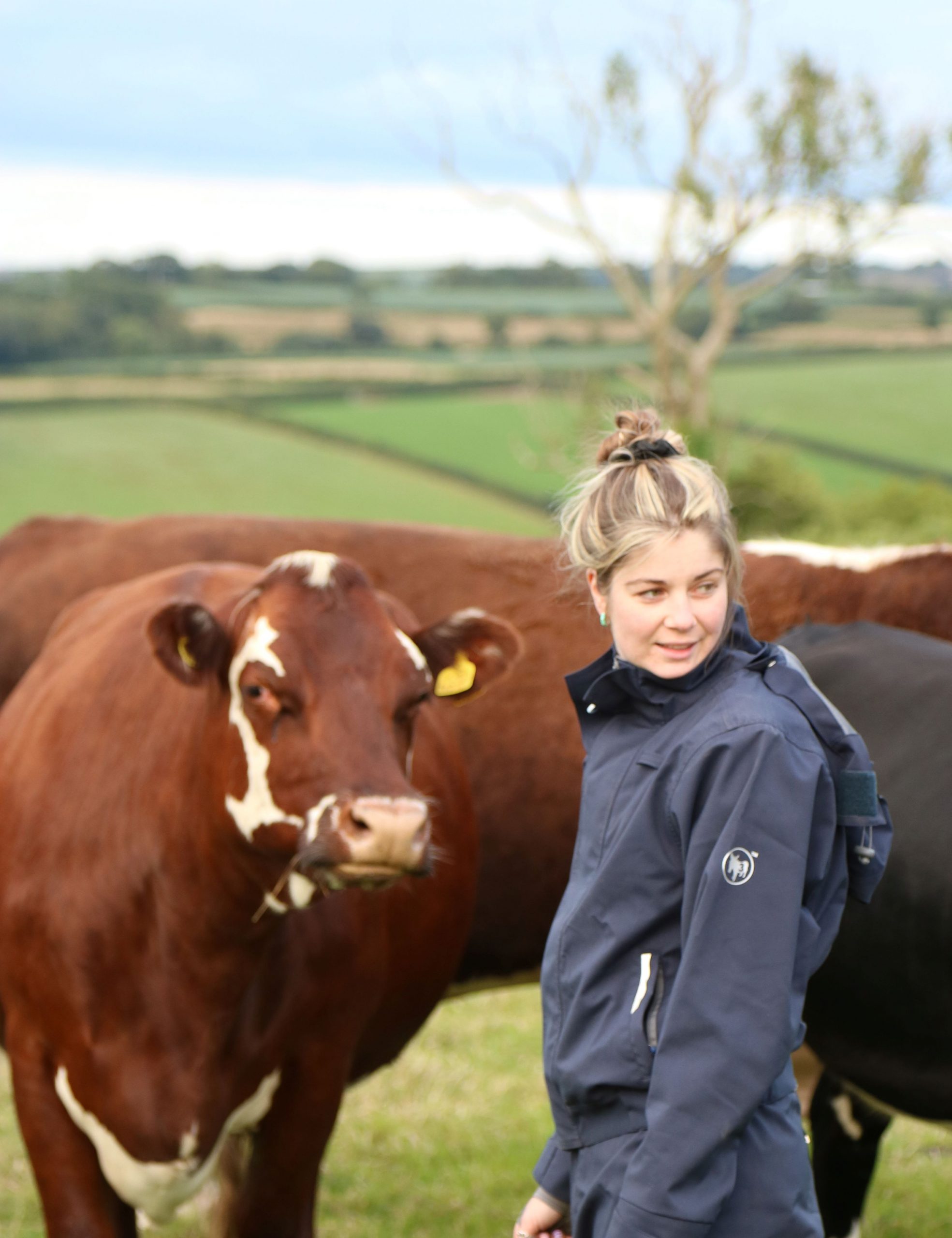
Meeting the comfort and professional needs of female vets ensures they can give 100 per cent focus on the job without the distraction of uncomfortable attire. But, finding a balance between these essential requirements can be a significant challenge. With many workwear options primarily designed with men in mind, gender-specific workwear is essential, now more than ever.
What price practicality?
For years, female farm and equine vets have had to contend with plenty of uninspiring, gender-neutral workwear options needing more functionality and practicality. But, the unique requirements of specialised feminine workwear often come with a higher price tag. This can be for various reasons but mostly because there’s less demand as women generally make do with what’s supplied or available.
Therefore, it’s essential to acknowledge the financial constraints practices may face when supplying workwear for their female staff. But while upfront costs may be a concern, the long-term value provided by well-designed and durable feminine workwear is invaluable. . Investing in high-quality workwear can make a big difference to the comfort and functionality needed for the veterinary profession and can prove cost-effective.
From a vet’s point of view
Female vets may now outnumber male vets, but they continue to face workwear struggles that can impact their comfort, professionalism, and overall job satisfaction. Olivia, an experienced vet from Devon, told me,
“Indoors, I just want an elastic waist and pockets so I can bend down and pick up dogs without flashing my colleagues or losing the contents from my pockets. But for the majority of the time I spend out in the field, I live in waterproofs.
I often have early starts, and there’s a lot of standing about in the dark, rain, and cold. So, for me, it’s all about headbands, waterproof trousers (muddy dog paws), fleeces (with elastic sleeves so the wind doesn’t go up them), steel toe cap jodhpur boots, and a good pair of socks.
Plus, I have to buy menswear as I’m 5ft 11”, but this is very different for a female vet who’s not quite as tall. I think a lot of female workwear is available, but it tends to be expensive.”
Reimagining professional workwear
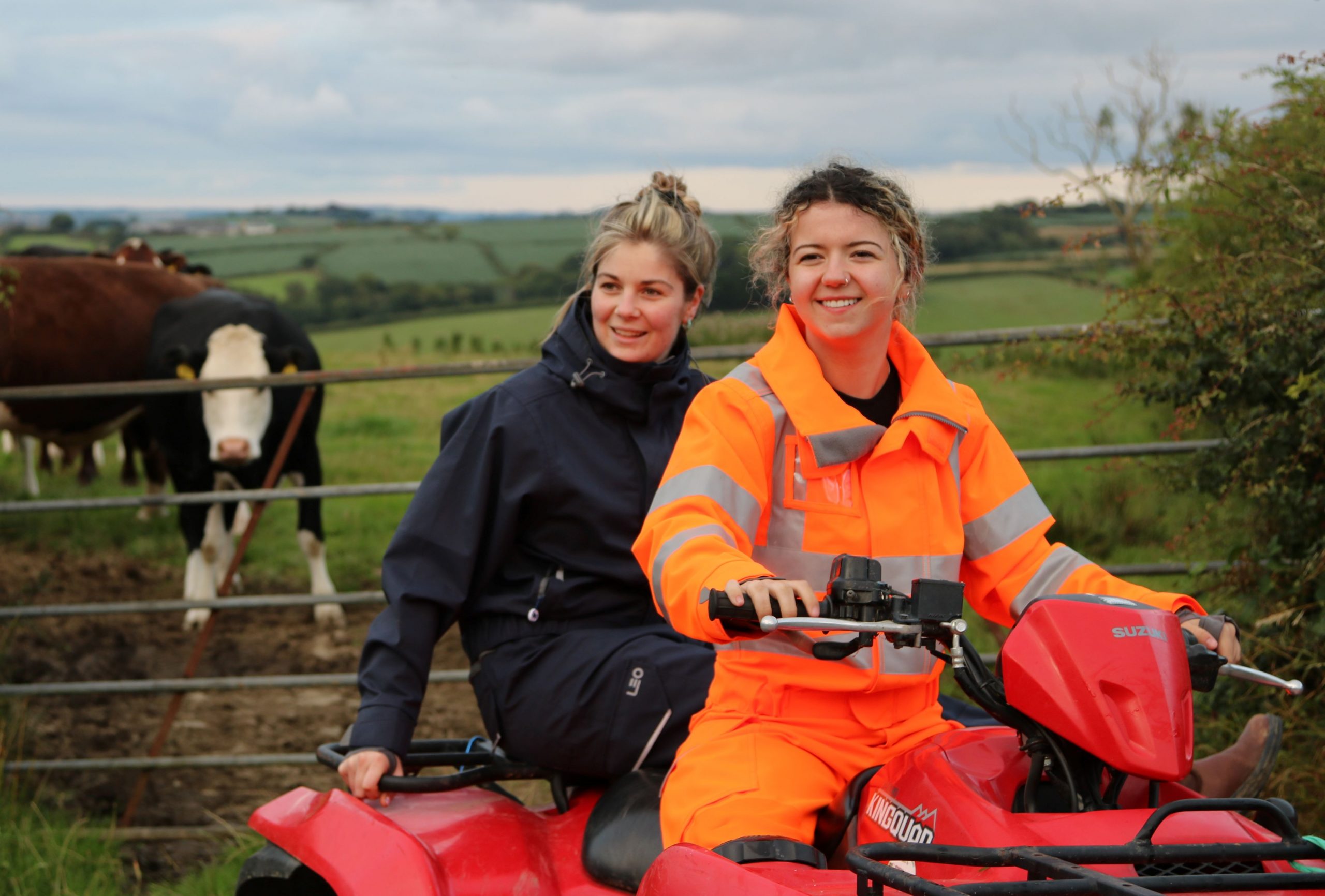
Despite the drawbacks over functionality, practicality, and comfort, manufacturers and designers are making headway in solving these issues for women’s workwear. With the arrival of more lightweight and versatile fabrics, we’re finally seeing gender-specific workwear that prioritises all these things and is more affordable.
In addition, products are available that focus on durability, standing up to the wear and tear workwear goes through on a daily basis – stain-resistant, wind and weatherproof fabrics, reinforced seams, and heavy-duty zips. Large velcro or zipped pockets for tools or equipment, velcro or elasticated adjustable cuffs, detachable hoods, and more features ensure enhanced practicality and functionality.
And even comfort is being treated as an essential. Female workwear often features flexible or stretch fabrics with moisture-wicking qualities for breathability, elasticated waistbands, and even lower leg openings so workwear can be worn over boots. And not to mention more feminine sizing and styles suitable for a full range of body types.
A final thought…
Given all these advances, it’s crucial for workwear manufacturers, employers, and the veterinary community as a whole to recognise and address the challenges female vets face. By prioritising practicality, comfort, inclusivity, and affordability, we can ensure that female vets have the workwear they need to excel in their roles.
Having everything they need while looking professional – and stylish – every female vet can feel confident and capable in their roles while continuing to break down barriers in this vital sector.
Amanda Marshall is the founder of 3 Donkeys Clothing, a company specialising in practical, adaptable, and versatile 2to1® women’s coveralls, hi-vis workwear, and apparel.
Visit www.3donkeys.co.uk
References:
1. Veterinary Women: Past, Present, And Future (n.d.)
For exclusive access to more stories like this, subscribe to our monthly newsletter
You may also like:
How to hit your CPD target alongside flexible working
Menopause interventions in veterinary practice
Motherhood and maintaining your role as a vet professional